If there’s one item every parent ends up reaching for on repeat, it’s the romper. No matching separates, no midriff gap when your baby stretches or rolls, and — thanks to snap closures — no full outfit change every time a diaper needs swapping. It’s the kind of garment that looks intentional in photos and survives an entire day of crawling, spit-up, and naps without complaint.
But “romper” isn’t one style — it’s a whole category. Bubble, utility, smocked, knit, footie: each one solves a slightly different problem, from summer heat to cold-weather layering to a five-minute diaper emergency at the mall. This guide breaks down the seven styles worth knowing, when to reach for each one, and what to check before you buy.
What Is a Baby Romper, Exactly?
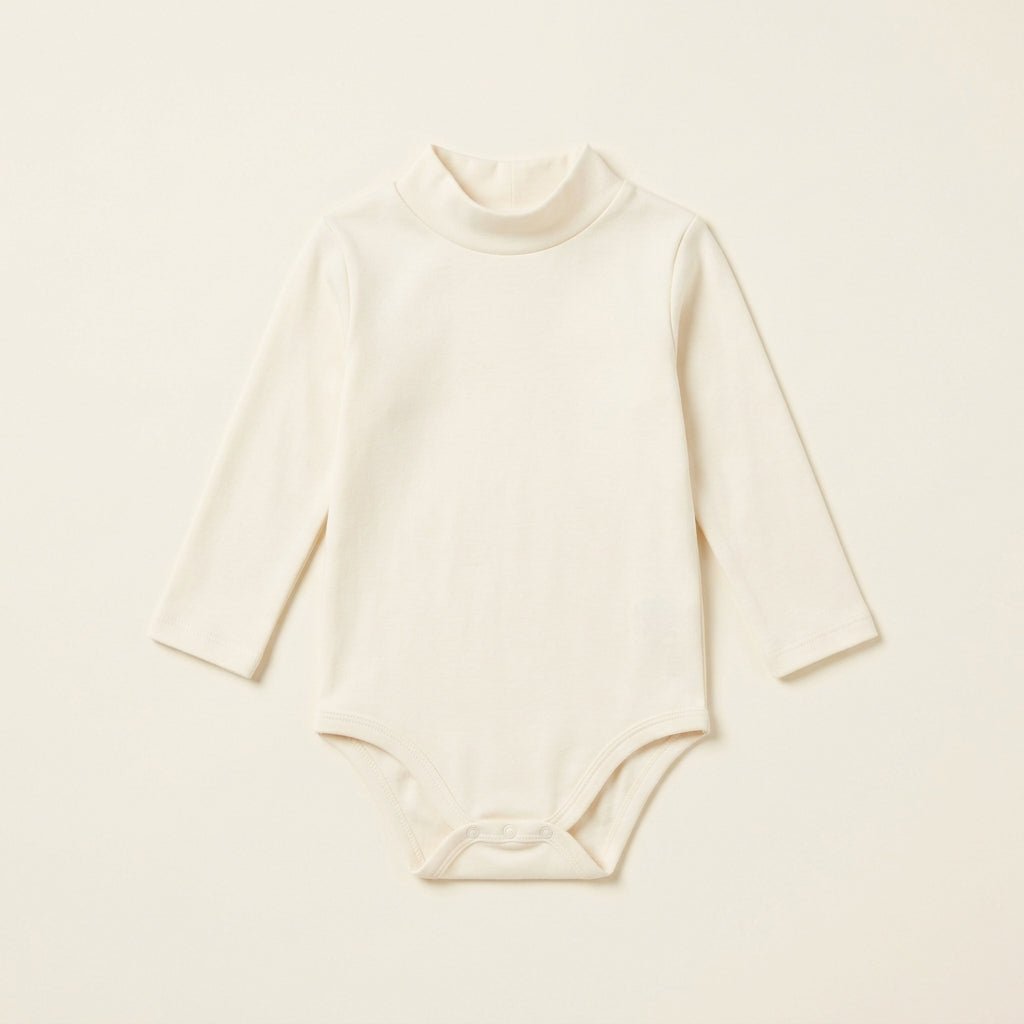
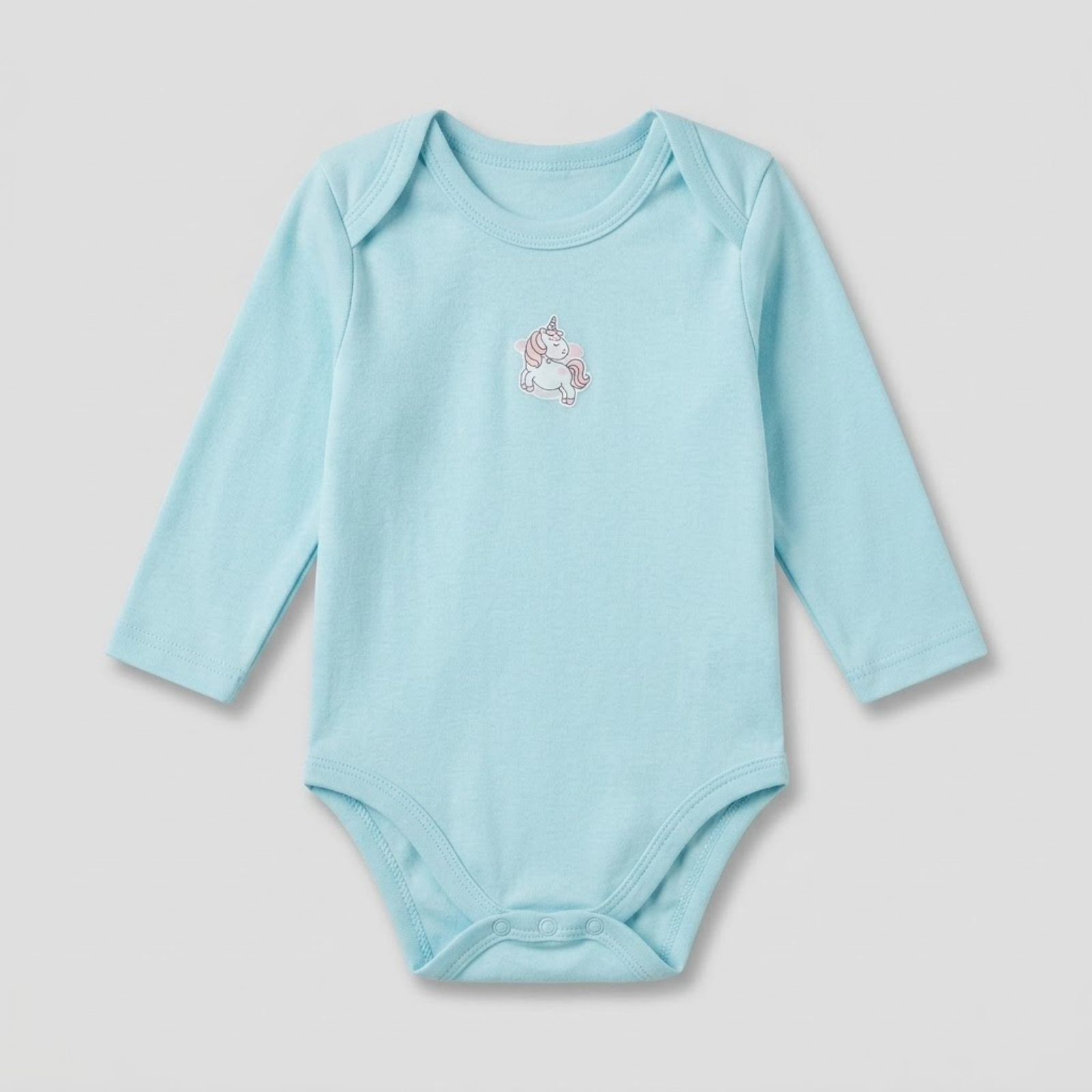
A romper is a one-piece garment that combines a top and bottom into a single piece, usually with snap closures running down the crotch (and sometimes the full front) for easy changing. It’s different from a onesie or bodysuit, which has no separate leg openings and is meant to sit close to the body as a base layer. A romper is the complete outfit — a onesie is what goes under one.
Most rompers are made from breathable cotton, cotton-blend jersey, or linen, which matters more than it sounds: babies can’t regulate body temperature the way adults do, so fabric choice directly affects comfort.
Romper Styles at a Glance
| Style | Best For | Typical Age Range | Best Season/Occasion |
|---|
| Bubble Romper | Crawling, everyday wear | Newborn–18 months | Warm weather, casual |
| Shortalls, Longalls & Footies | Sleep, home, layering | Newborn–24 months | Everyday, cooler days |
| Snap-Up Utility Romper | Fast diaper changes | 3–24 months | Errands, daycare, play |
| Ruffled Flutter-Sleeve Romper | Photos, warm events | Newborn–24 months | Parties, photoshoots |
| Smocked Romper | Gifting, heirloom style | Newborn–18 months | Special occasions |
| Knitted Ribbed Romper | Growth room, warmth | Newborn–24 months | Autumn/winter |
| Peter Pan Collar Romper | Smart-casual outings | 3–24 months | Family events, semi-formal |
1. Bubble Rompers — The Classic Vintage Silhouette
Best for: everyday wear, active crawlers, warm weather Standout feature: loose, rounded shape with elasticized leg openings
The bubble romper is the design most people picture when they hear the word “romper” — a soft, rounded silhouette through the torso and hips that gathers into elasticized leg openings, often paired with simple straps, flutter sleeves, or a halter neck.
It earns its popularity honestly. The generous, balloon-like cut gives babies full range of motion to kick, roll, and crawl without fabric pulling at their legs, and it’s roomy enough to comfortably conceal even bulky cloth diapers without looking stretched. For hot months, it’s about as breathable and fuss-free as baby clothing gets.
2. Shortalls, Longalls & Footies — Built for Everyday and Sleep
Best for: home wear, sleep, temperature layering Standout feature: three related cuts for three different needs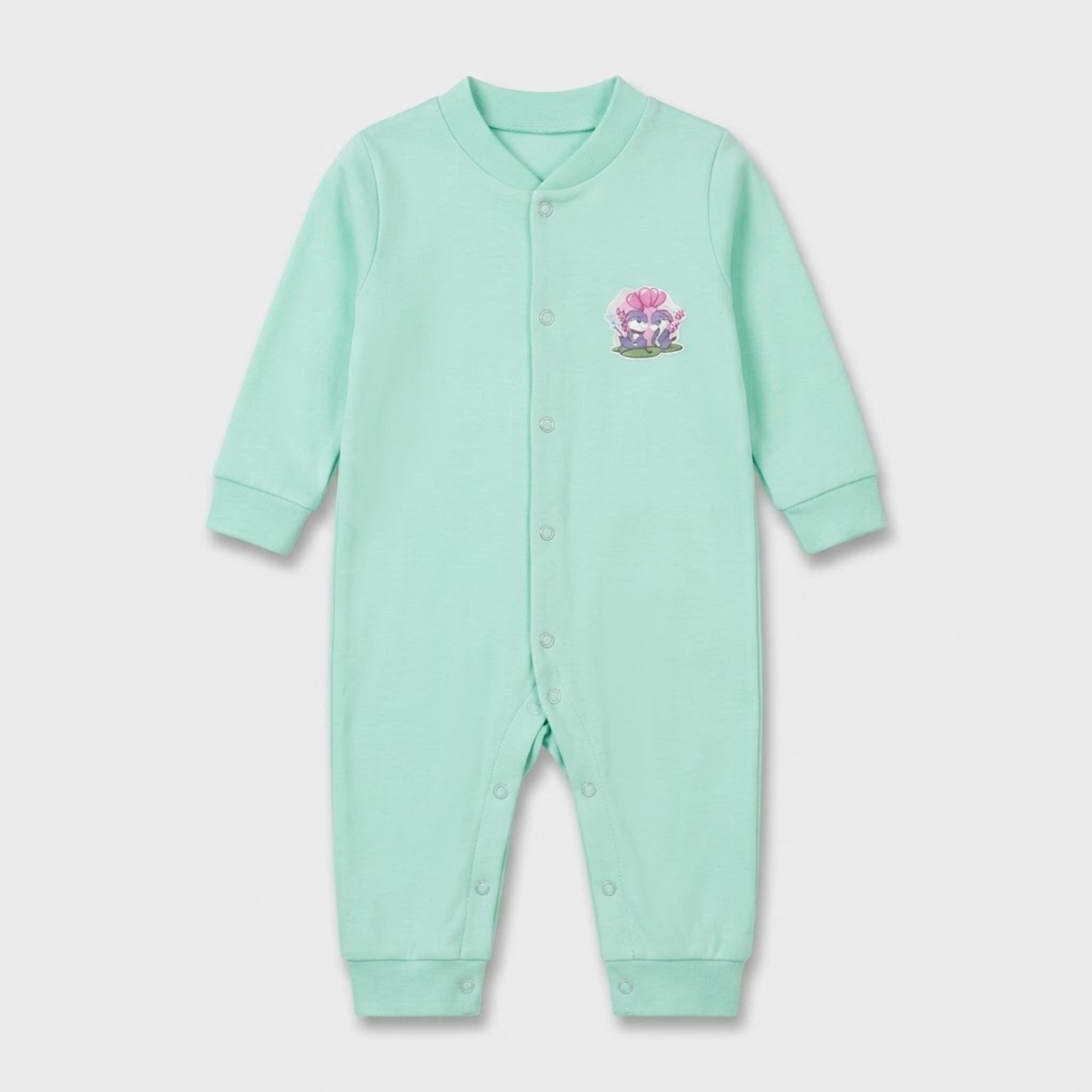
This trio gets lumped together because they share a construction (a romper body with attached legs), but each serves a different purpose:
-
Shortalls have short legs and short sleeves — the go-to for warm days and active toddlers who don’t need extra fabric getting in the way.
-
Longalls are the long-sleeve, long-leg version, layered over a onesie for cooler weather or worn alone as a lightweight coverall.
-
Footies add attached foot coverings, making them the default choice for sleep and for babies who kick off socks within minutes of putting them on.
None of them are especially photogenic, but they’re the styles that actually get worn the most — which is exactly why they belong in every rotation.
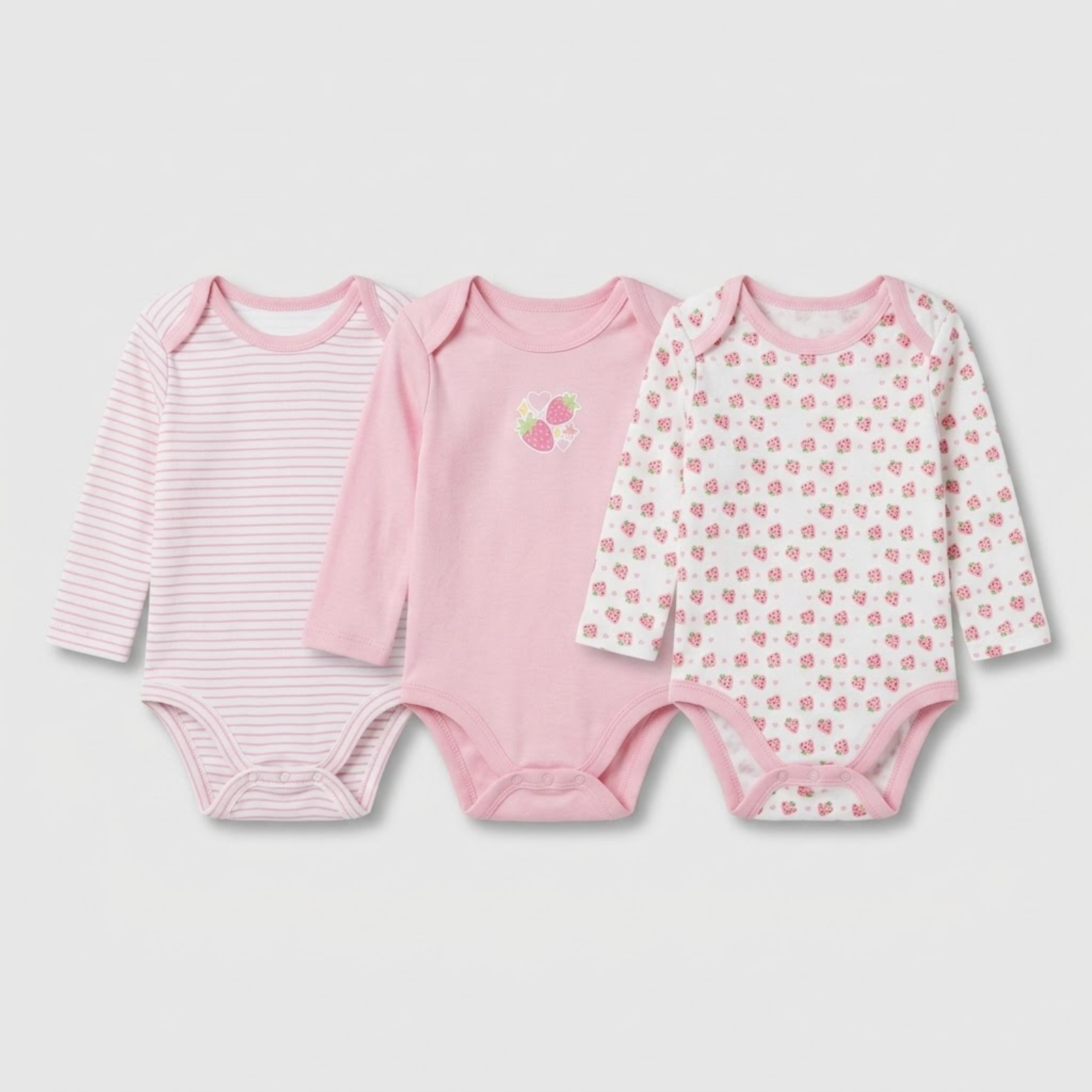
3. Snap-Up Utility Rompers — Fast Changes, Zero Fuss
Best for: quick diaper changes, daycare, errands Standout feature: full-length snap placket from collar to crotch
Borrowed from classic workwear silhouettes, the utility romper features a button or snap placket running the entire length of the body. Combined with a relaxed cotton or linen fit and short sleeves, it has a cool, gender-neutral, street-style edge.
The real win is practical: because the snaps run the full front, you can lay the romper flat, place the baby on top, and close it in seconds — no wrestling a tight neckline over a fussy head. For parents juggling daycare drop-offs or a squirmy toddler mid-change, this is the style that saves the most time, and it holds up well to washing and playground wear.
4. Ruffled Flutter-Sleeve Rompers — Photo-Ready Elegance
Best for: parties, milestone photos, warm-weather events Standout feature: ruffled straps and a tiered, skirt-like overlay
This style delivers the visual charm of a dress without giving up the security of a one-piece. Cascading ruffles at the shoulders create the “flutter” effect, and a tiered fabric overlay around the waist mimics a short skirt.
Unlike an actual dress, which tends to ride up when a baby crawls or catches the wind, a flutter-sleeve romper stays in place. You get the playful movement of a skirt with the practicality of full diaper coverage — which is why this is the style most parents reach for before a photoshoot or family event.
5. Smocked Rompers — Heirloom Charm That Never Goes Out of Style
Best for: gifting, special occasions, keepsake photos Standout feature: hand- or machine-smocked stitching across the chest
Smocking — small, gathered stitches worked into a decorative pattern, often across the chest or yoke — is one of the oldest techniques in children’s clothing, and it hasn’t lost its appeal. The stitching adds gentle stretch along with the detail, so the romper flexes with the baby instead of fighting movement.
Because the look reads as classic and considered rather than trendy, smocked rompers are a common choice for baby showers, christenings, and first-birthday shoots — the kind of piece that still looks good in photos a decade later.
6. Knitted Ribbed Rompers — Cozy Comfort That Grows With Baby
Best for: cooler weather, layering, longer wear per size Standout feature: stretchy ribbed knit fabric
As temperatures drop, knitted rompers become a daily staple. Made from soft, stretchable cotton-blend or wool-blend knit, they typically fasten with shoulder buttons and pair long sleeves with cuffed ankles.
The ribbed texture is doing real work here: it stretches to accommodate growth spurts, so these pieces tend to fit comfortably longer than a standard woven romper. That makes them a practical base layer for transitional weather, or, paired with tights and a beanie, a complete cool-weather outfit on their own.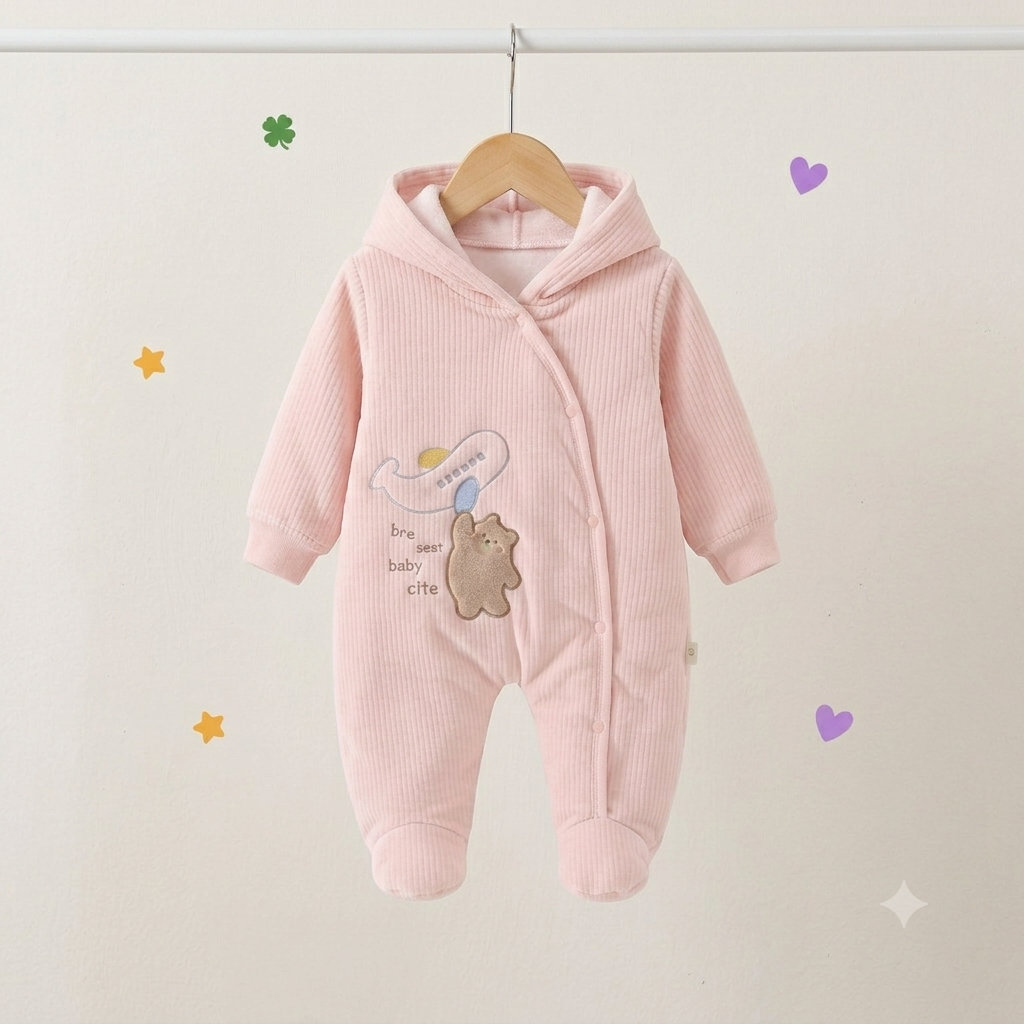
7. Peter Pan Collar Rompers — Smart-Casual Sophistication
Best for: semi-formal outings, family gatherings Standout feature: a rounded, contrasting flat collar
Sometimes an occasion calls for something more polished than a plain cotton romper. The Peter Pan collar — a neat, rounded, often contrasting flat collar — instantly elevates a simple short-leg or straight-cut romper, often paired with subtle plaids, seersucker stripes, or solid pastels.
It’s the style that bridges playwear and formalwear: sharp enough for Sunday brunch or a holiday dinner, but still fundamentally a snap-front romper underneath, so your baby stays just as comfortable as they would in anything else.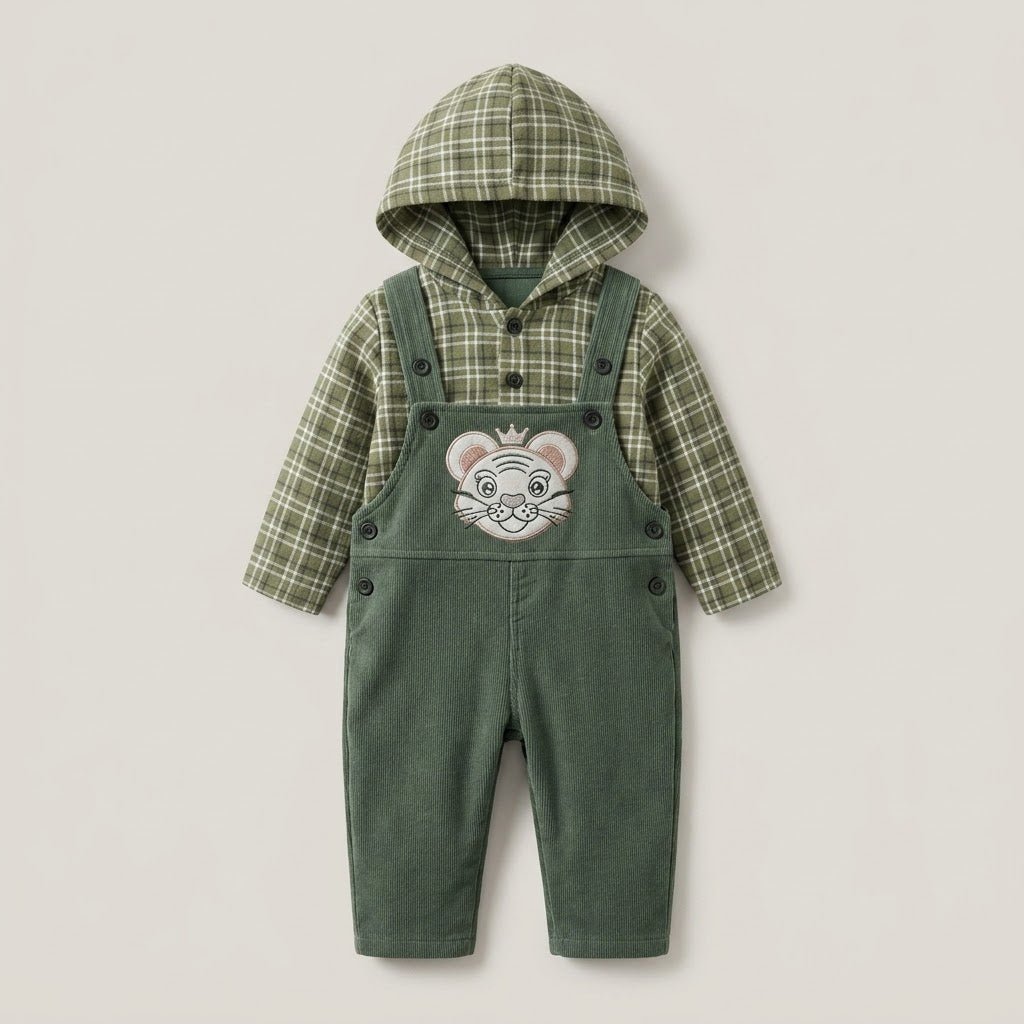
Onesie vs. Romper: What’s the Real Difference?
This is one of the most common points of confusion for new parents, so it’s worth spelling out clearly:
-
A onesie (bodysuit) has no legs, sits close to the body, and fastens under the diaper with snaps. It’s a base layer, not a complete outfit.
-
A romper has legs — short, long, or footed — and is worn as the full outfit on its own.
A useful rule of thumb: bodysuits for layering, rompers for everyday and warm-weather wear, and knit or footed styles for sleep and cold weather. Most parents end up with a mix of all three.
How to Choose the Right Romper by Season and Occasion
-
Hot, humid stretches (roughly April–September): lightweight cotton bubble or utility rompers, short sleeves, breathable weaves.
-
Cooler months (December–February, especially in colder cities): knitted ribbed rompers, footies, or longalls for layering.
-
Special occasions: smocked or Peter Pan collar styles.
-
Everyday and home wear: shortalls or snap-up utility rompers for the fastest changes.
Baby Romper Shopping Checklist
A few things worth checking before you add a romper to your cart:
-
Fastenings: Look for nickel-free snaps at the crotch. Rompers without bottom snaps mean undressing your baby completely for every diaper change.
-
Fabric: Stick to 100% cotton, bamboo blends, or soft linen — babies have sensitive skin, and breathable natural fibers reduce the risk of heat rash and irritation.
-
Sizing for cloth diapers: Cloth diapers run noticeably bulkier than disposables. Bubble-style rompers or a size up around the hips will fit more comfortably.
-
Room to grow: Ribbed knit and adjustable-snap styles tend to fit longer than fixed woven cuts — useful if you’re buying ahead of a growth spurt.
-
Wash care: Check for colorfastness and pre-shrunk fabric, especially for pieces you plan to wear more than once a week.
Frequently Asked Questions
What’s the difference between a onesie and a romper? A onesie has no legs and fastens under the diaper as a base layer. A romper has legs (short, long, or footed) and is worn as a complete outfit on its own.
What age can babies start wearing bubble rompers? Bubble rompers work from the newborn stage through toddlerhood, though they’re especially practical once a baby starts rolling and crawling, since the loose cut doesn’t restrict movement.
Are rompers practical for cloth diapers? Yes, with the right cut. Bubble rompers and utility styles with generous hip room accommodate cloth diaper bulk well; snugger woven styles may need to be sized up.
How many rompers does a baby actually need? Most parents find 7–10 rompers in current size comfortable for a weekly rotation, mixing everyday cotton styles with one or two dressier pieces for occasions.
What fabric is best for a baby’s sensitive skin? 100% cotton and bamboo blends are the safest everyday choices — both are breathable, soft, and less likely to trigger irritation than synthetic blends.
Which of these seven styles is missing from your baby’s wardrobe? A well-stocked romper rotation usually means one everyday cotton style, one knit style for cooler days, and one dressier option for photos and occasions — everything else is a bonus.