Posted on — Leave a comment

Top 5 Fabric Choices for Babies and Toddlers This Winter


Last time, we talked about the accessories that get a baby through an Islamabad winter — the caps, mittens, and layers that handle the swing between a foggy 4°C morning and a sunny 17°C afternoon. But accessories only do half the job. The other half is what’s actually touching your baby’s skin under all those layers, and that comes down to fabric.

Not every “warm” fabric is warm the right way. Some trap heat and cause overheating the second the fog burns off. Some feel soft in the shop and turn scratchy after two washes. Here are the five fabrics worth checking the label for this season — and why each one earns its place in the wardrobe.

1. Fleece

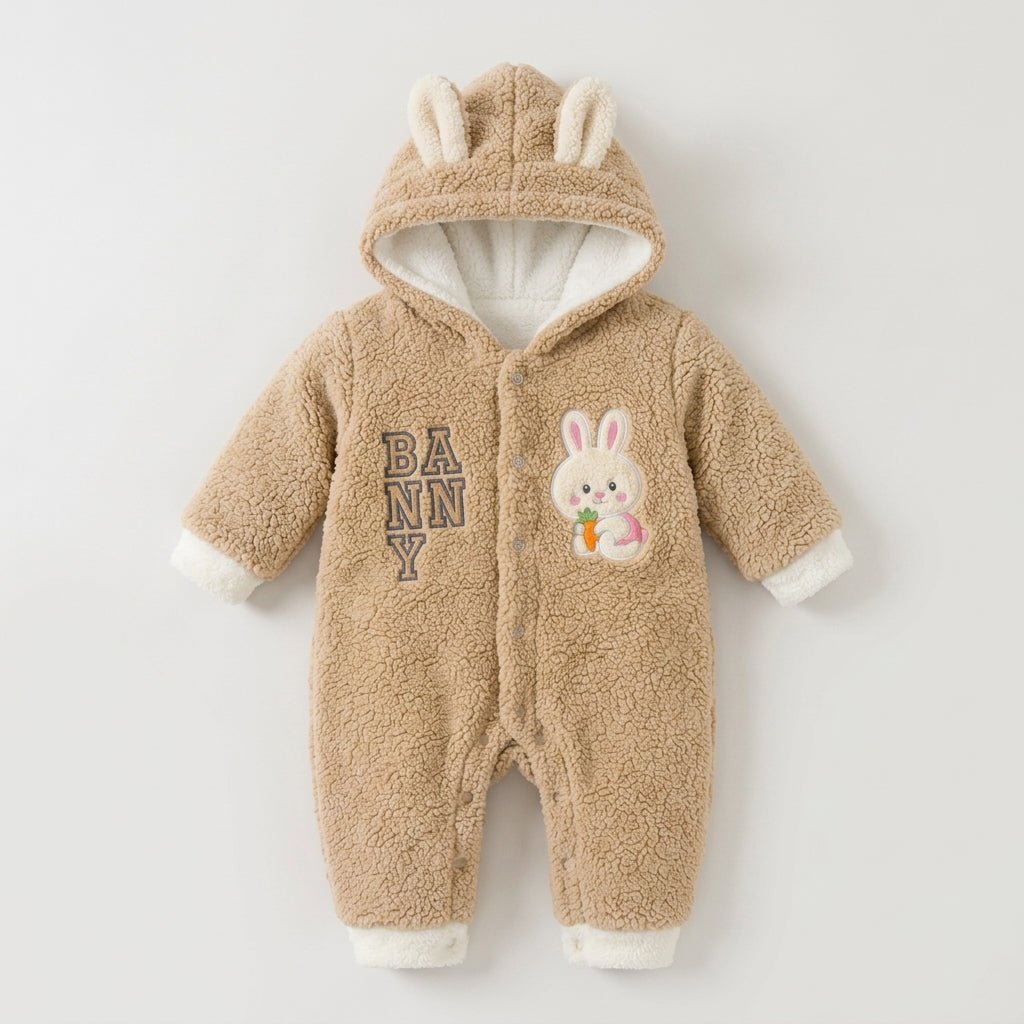
Fleece is a brushed, insulating knit that traps warm air close to the body without adding bulk — which is exactly why it’s become the go-to for outer layers and pramsuits. It’s lightweight enough that a baby can move freely in it, and it holds up to the wash-and-wear cycle of daily baby laundry far better than wool does. The trade-off: because it insulates so well, it’s not the fabric to leave on once you’re indoors or once the afternoon sun is out — that’s a job for a lighter layer underneath.

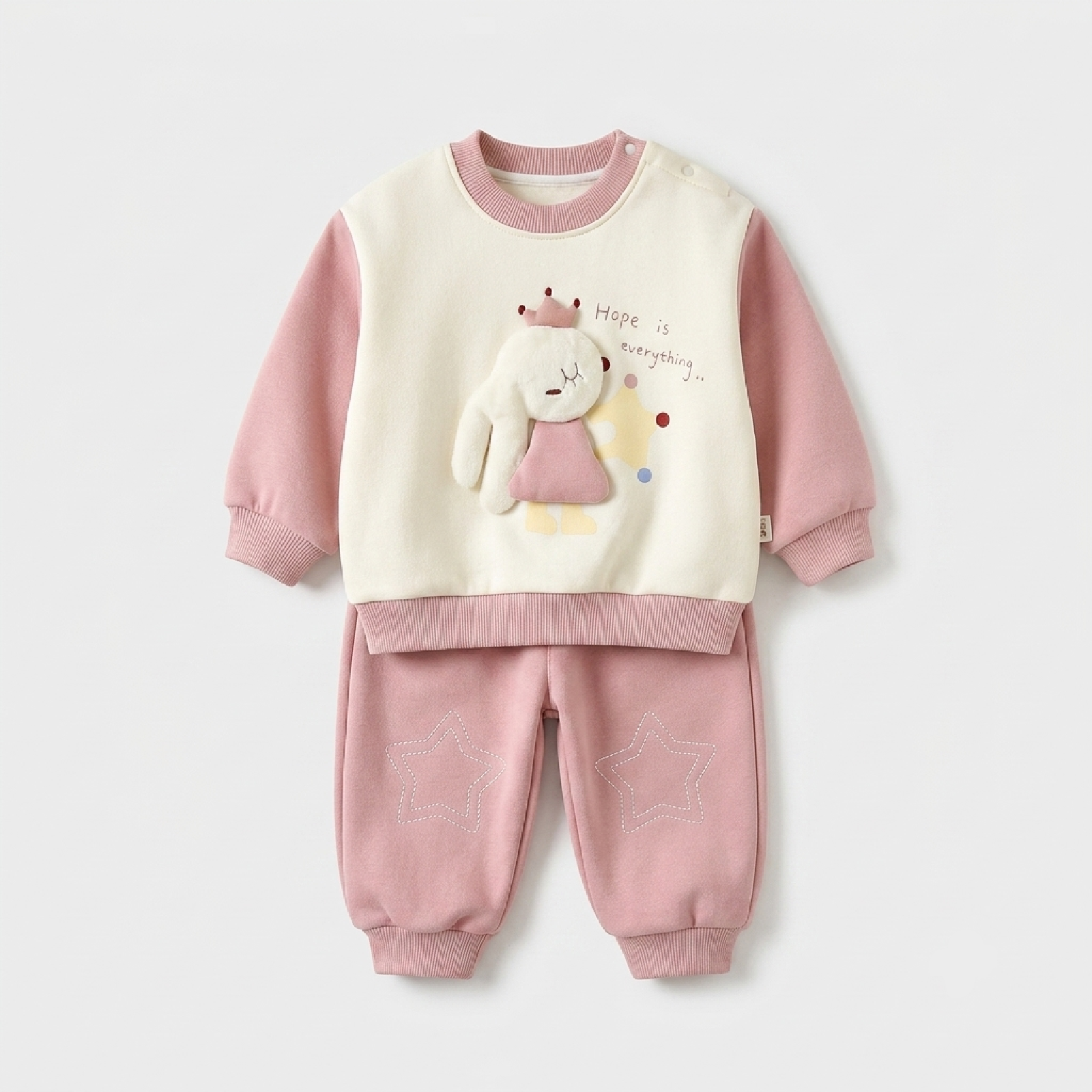
Where to find it: our Banny Bunny Fleece Hooded Pramsuit is built as a grab-and-go outer layer for the early, foggy part of the day, and the Bunny Buddy Fleece Sweatshirt Set works as a mid-layer that can stay on once the outer coat comes off.
2. Corduroy

Corduroy is a woven cotton fabric with a ridged pile (the “wale”) that traps a thin layer of air within the ridges themselves — it’s warm the way a heavier weave is warm, not the way an insulated fabric is warm, which makes it a good match for Islamabad’s milder winter days. It’s also sturdy enough to survive a crawling toddler, and it pairs naturally with Eastern wear for the days a pinafore is going over a shalwar or leggings rather than under a coat.

Where to find it: the Autumn Bunny Frock and Pearl Bow Corduroy Pinafore Set are both built around this fabric.

3. French Terry (Toweling)

French terry is a looped-back cotton knit — soft on the skin side, with small loops on the reverse that add warmth without the weight of fleece. It’s more breathable than fleece, which makes it the better choice for a piece that’s going to stay on for hours rather than get peeled off by noon. It’s also why terry shows up so often in loungewear and pinafores meant to be worn most of the day.
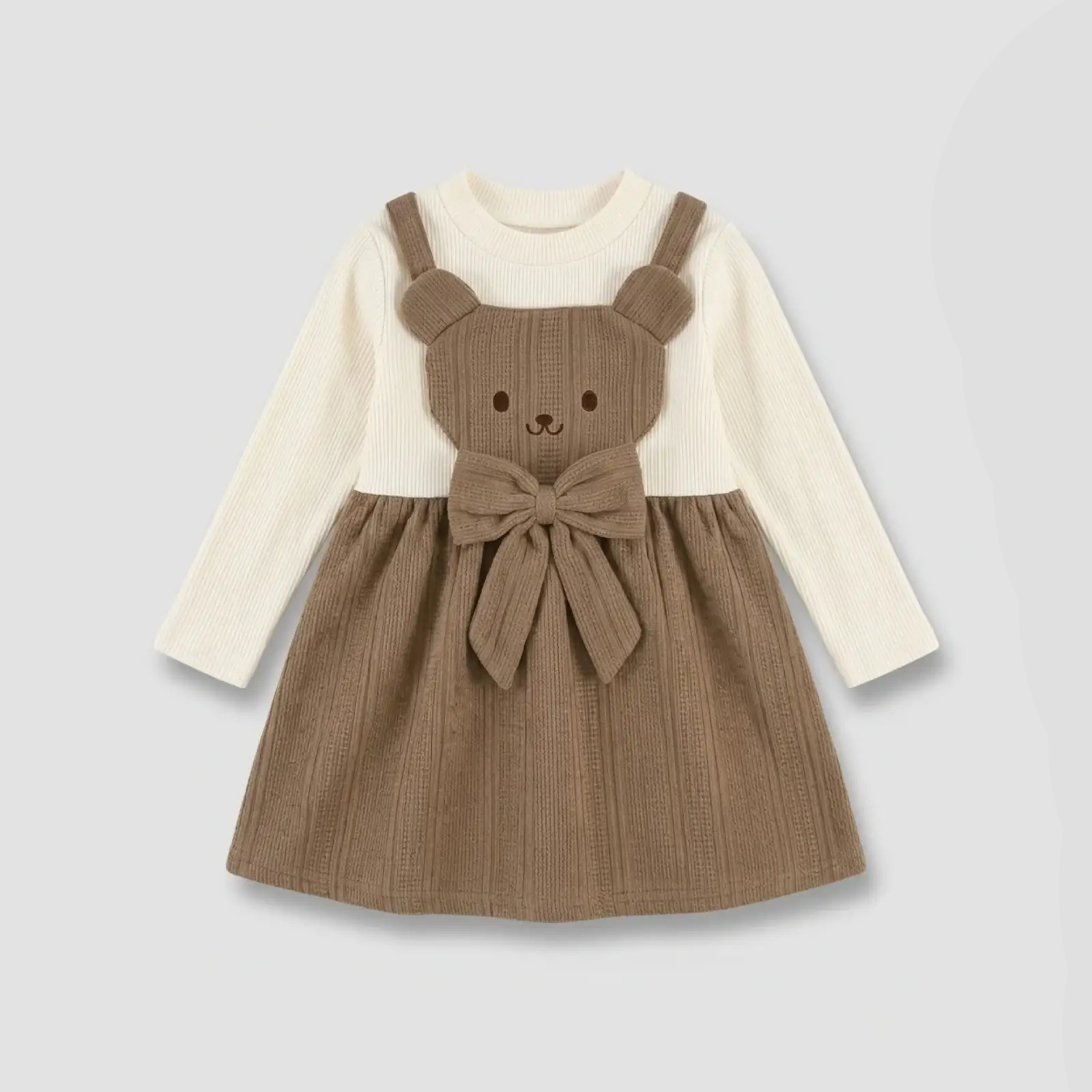
Where to find it: the Honeybear Pinafore Set – Terry is one of ours built entirely around this fabric.

4. Interlock Cotton

Interlock is a double-knit cotton — two layers of jersey knit together — which makes it denser, smoother, and less prone to letting a draft through than a plain single-knit cotton. It’s the fabric that does the quiet work as a base layer: soft enough for newborn skin, breathable enough that a baby won’t overheat once the layers on top come off. It’s also one of the fabrics our customers comment on most for feeling noticeably better-finished than a basic cotton.
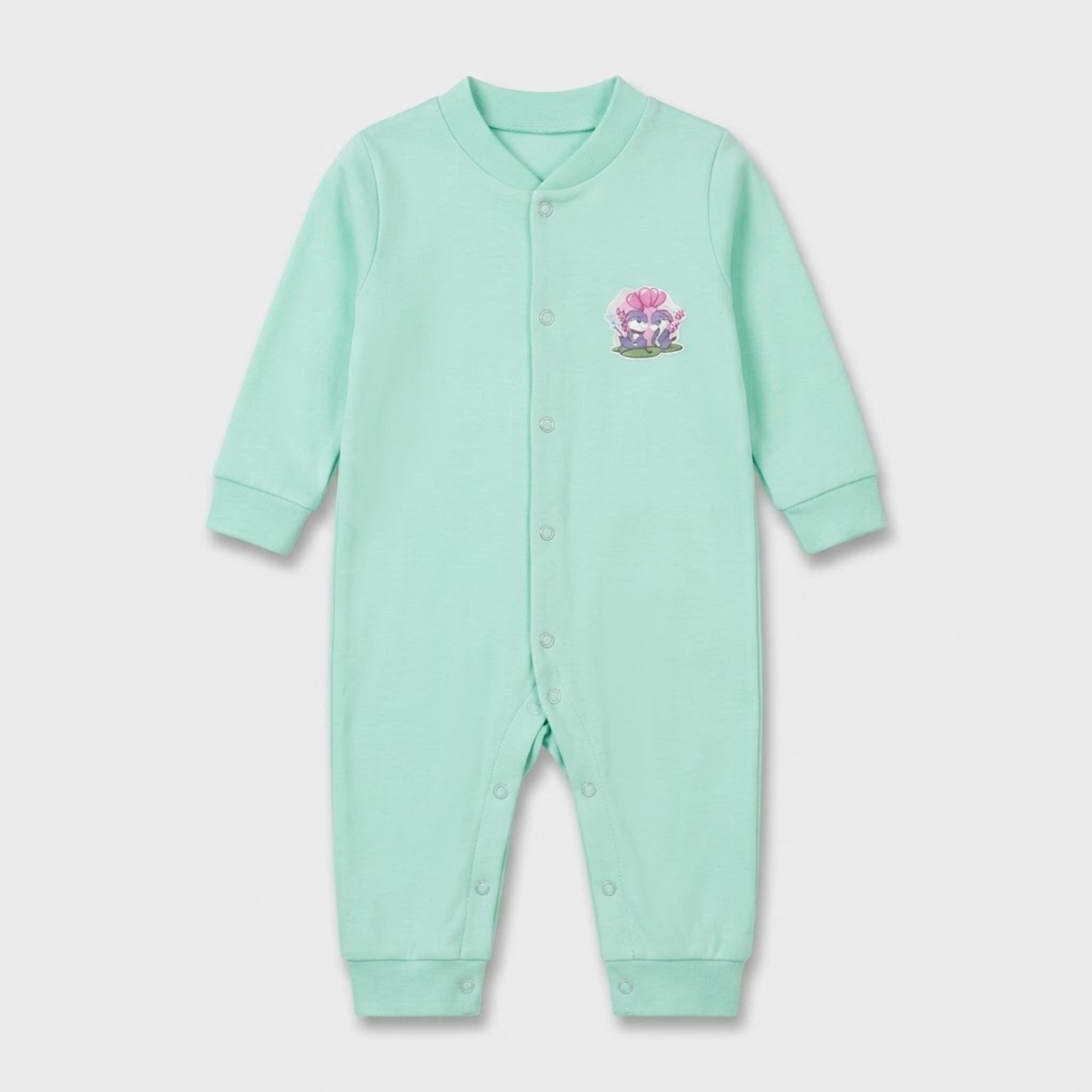
Where to find it: across our Newborn Baby Clothes and Rompers collections — this is the fabric doing the base-layer work under most of what’s in there.

5. Brushed / Flannel-Weight Cotton

Brushed cotton goes through a finishing process that raises a soft nap on the surface, which traps a bit of extra warmth compared to a plain cotton weave — without leaving cotton’s breathability behind. It’s the fabric to reach for overnight, when Islamabad’s temperature drops closest to freezing and a baby’s skin needs something warm but still gentle enough for hours of continuous wear.

Where to find it: browse Loungewear for this season’s brushed-cotton pieces.

Putting It Together

The fabrics aren’t really competing with each other — they’re built to stack. Interlock or brushed cotton as the base layer against the skin, terry or fleece as the mid-layer that does most of the day’s work, and fleece or corduroy as the outer layer for the foggy first hour outside. Match the fabric to the layer it’s meant for, and the accessories from our last guide have a lot less work to do.

Shopping the pieces above: Miraals ships free on orders over Rs. 5,000, with 5% off on prepaid orders. Browse New Arrivals for the rest of this season’s winter edit.
Posted on — Leave a comment

Top 10 Winter Accessories Every Islamabad Baby Actually Needs This Season


If you’ve raised a baby through an Islamabad winter, you already know it doesn’t behave like winter anywhere else. The morning fog rolls in thick enough that you can barely see the Margallas from your own street, the mercury dips close to freezing before sunrise — and by noon, that same day can feel like a mild spring afternoon with a sunny 17°C sky. There’s rarely snow in the city itself (that stays up in the hills), but there’s almost always a sharp swing between a cold, damp morning and a warm, dry afternoon.

That swing is exactly why most “winter accessories” advice doesn’t quite fit an Islamabad household. You don’t need one heavy snowsuit that stays zipped up all day. You need a small stack of layers you can add at 7am and start peeling off by 11 — plus a couple of pieces that do double duty indoors, since most homes here run on marble or tile floors without central heating.

Here are the 10 accessories Islamabad parents reach for the most, and where each one actually earns its place in the routine.

1. Fleece-Lined Hooded Pramsuit

This is the one-and-done layer for the school run or a park outing before the sun’s burned through the fog. It zips straight over whatever’s underneath, and the hood does the real work — it’s usually the ears and the back of the neck that feel the wind first, especially on the days a breeze is coming down off the hills. Our own Banny Bunny Fleece Hooded Pramsuit was designed around exactly this — quick to zip on over pyjamas at 7am, easy to unzip the second the sun’s out.

2. Soft-Lined Trapper Cap or Beanie

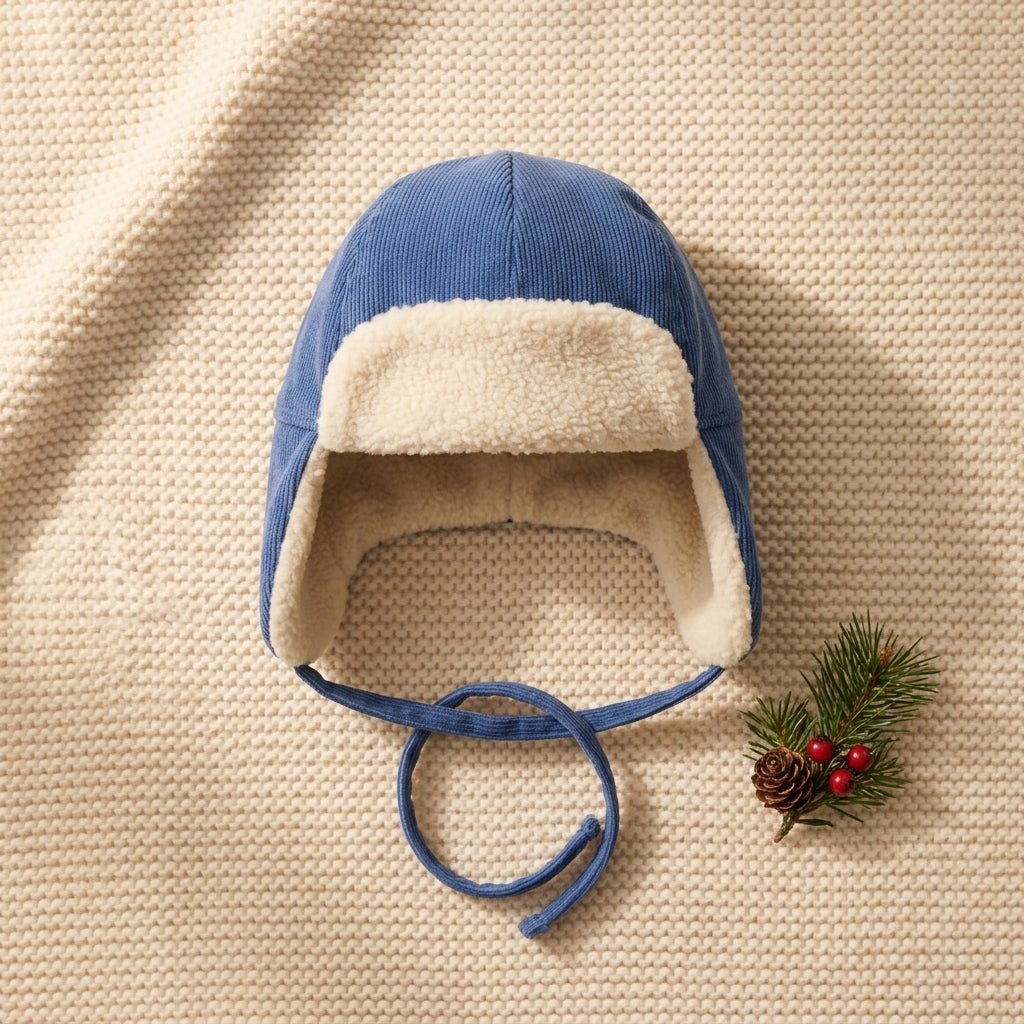
Look for ear flaps that tie or snap under the chin — a cap that stays on through a car seat buckle and a stroller ride is worth more than one that just looks warm. The lining matters more than the outer knit: Islamabad’s winter air is dry, and a rough wool lining against a baby’s scalp will get pulled off within five minutes. Brushed fleece or a soft cotton inner layer solves that.

3. Mittens with a Cuff or Wrist Strap

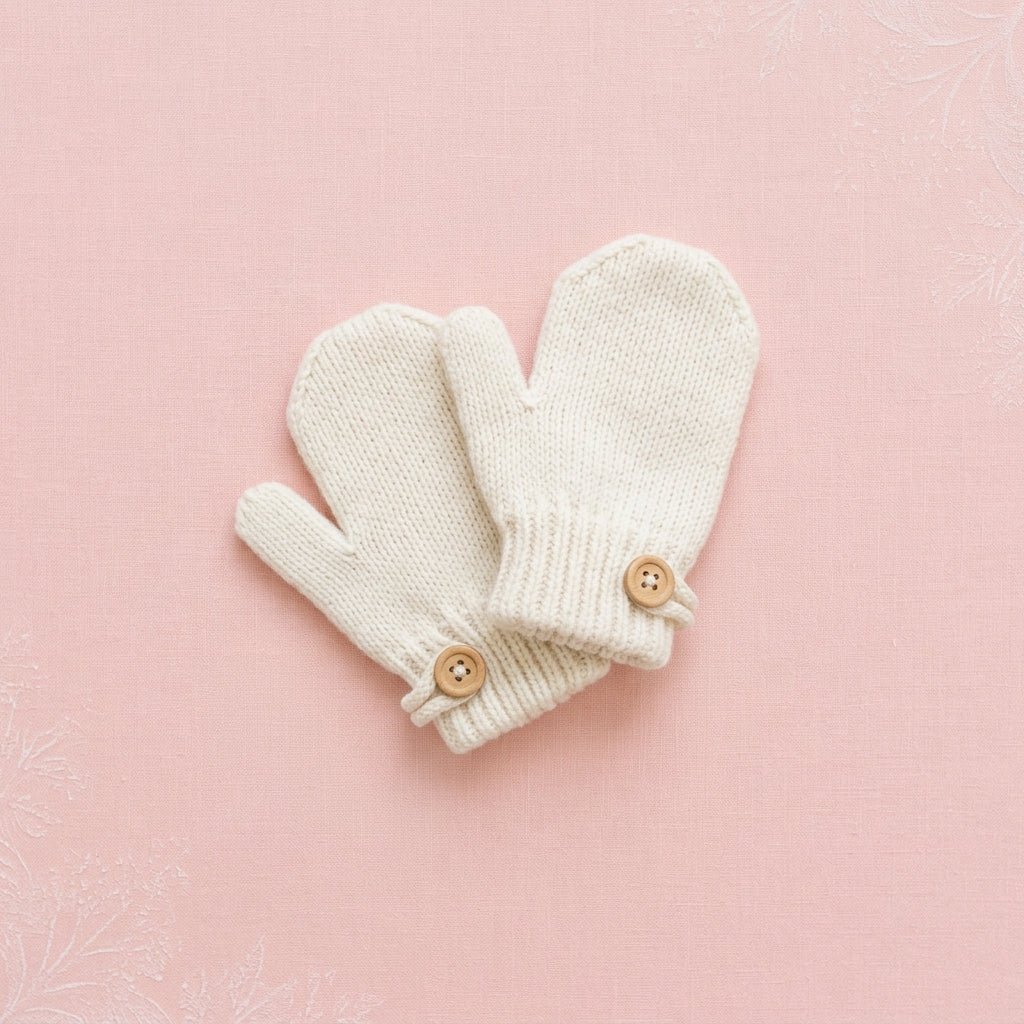
Dry cold cracks little hands faster than parents expect, and mittens solve two problems at once — they keep hands warm, and they stop a baby from scratching already-dry skin. The real test isn’t warmth, though, it’s whether they survive a stroller ride. A cuff that cinches at the wrist, or a strap that clips to the sleeve, is the difference between mittens you use all season and mittens you find one of, three weeks later, under the car seat.

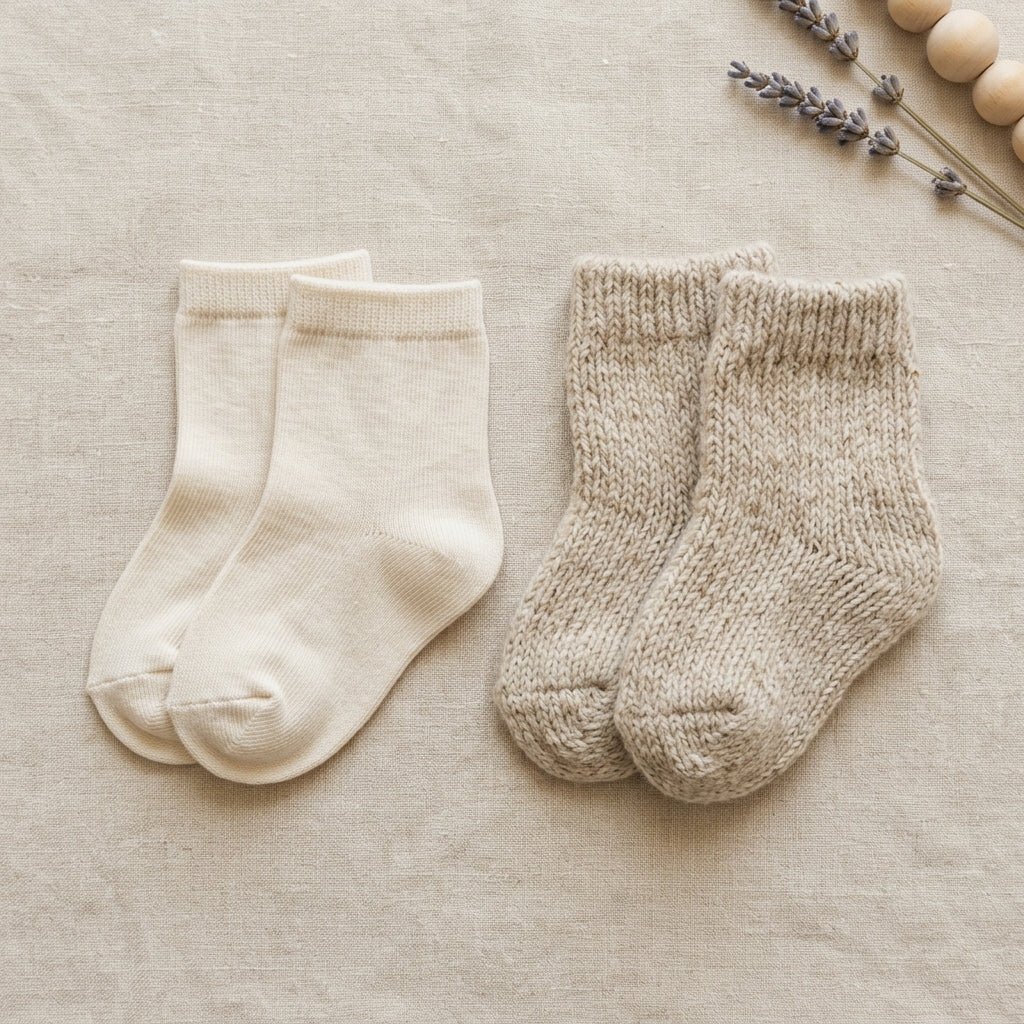
4. Thermal or Wool-Blend Socks — Worn Indoors, Too

This is the one people underestimate. Without central heating, a marble or tile floor stays cold well into the afternoon, so feet get cold indoors long before anyone steps outside. Keep a soft pair for the house and a slightly thicker pair for outings, rather than doubling up two thick pairs inside a shoe — that just squeezes the foot and makes it colder, not warmer.

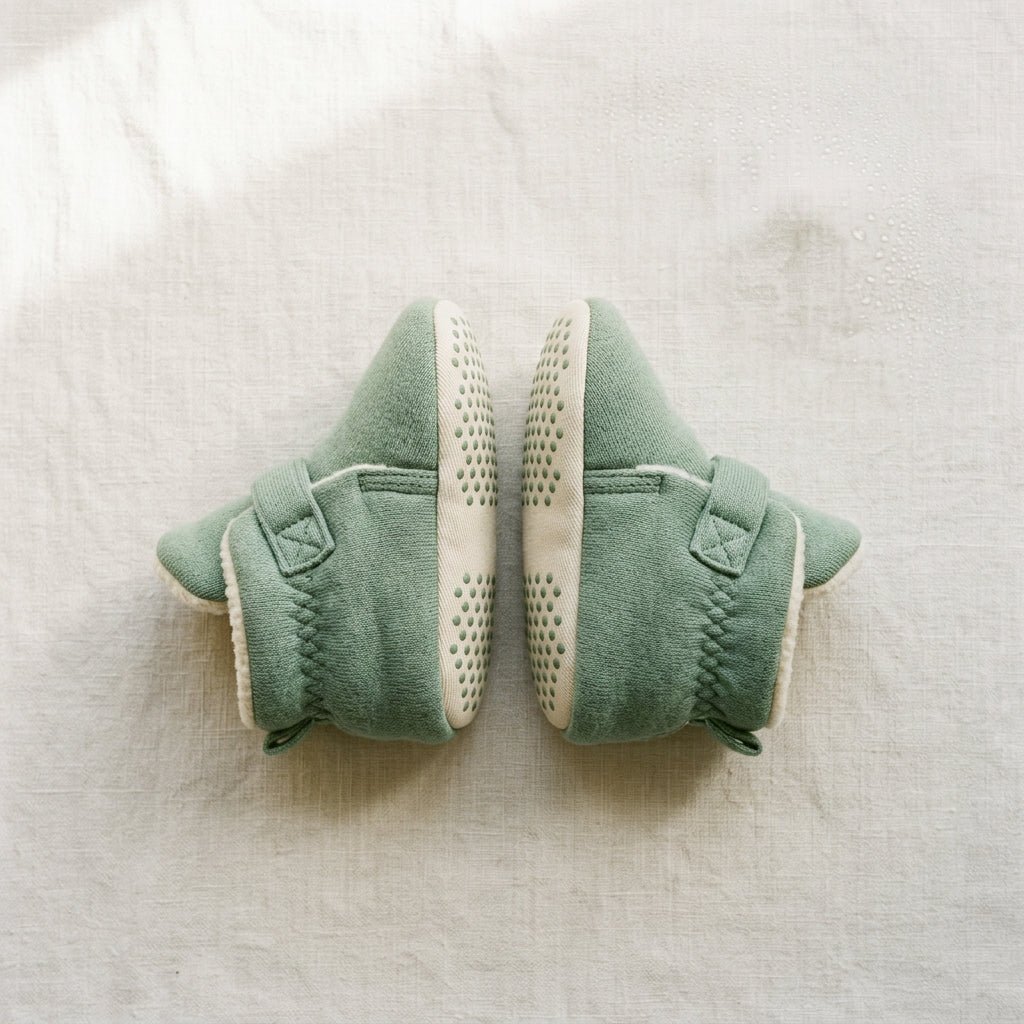
5. Soft-Sole Booties or Rubber-Sole Winter Shoes

Fog leaves pavement and grass genuinely damp most mornings through December and January, so grip matters as much as warmth. If your baby’s wearing a thicker sock underneath, size the shoe a touch roomier rather than sizing down — a squeezed foot loses heat faster than a slightly loose one.

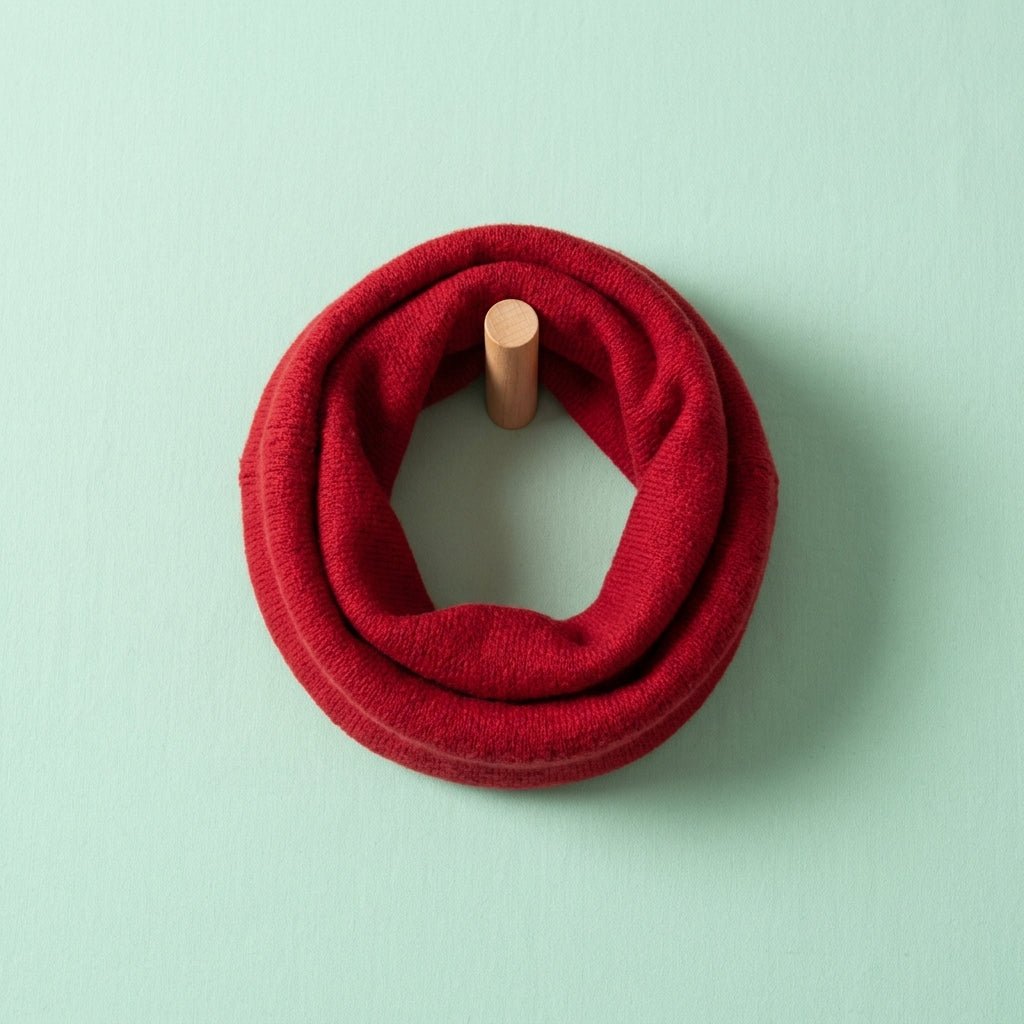
6. Neck Warmer (Snood)

A closed loop of soft fleece that pulls on over the head does the same job as a scarf without the loose, dangling ends that can catch on a stroller buckle or car seat strap. It’s a small swap, but it’s become the standard replacement for a traditional scarf on younger kids for good reason — one warm layer at the collar, nothing hanging loose.

7. Fleece Cardigan or Zip-Up Hoodie (the Mid-Layer)

This is the piece that actually deals with Islamabad’s day-night swing. The outer pramsuit or jacket comes off once the sun’s properly out, but a lighter fleece layer usually stays on until early afternoon. It’s the layer that gets used the most because it’s the one that moves in and out of the outfit all day. The Bunny Buddy Fleece Sweatshirt Set works well here — soft enough for indoors, warm enough to be the only layer once the outer coat is off.


8. Stroller Blanket or Wearable Swaddle Wrap

For the coldest stretch of the day — the walk out the door before the fog’s lifted — a blanket that tucks around the stroller or a wearable wrap for carrying does more than an extra jacket would. It’s easy to fold away in a diaper bag once the day warms up, which a bulky coat isn’t.

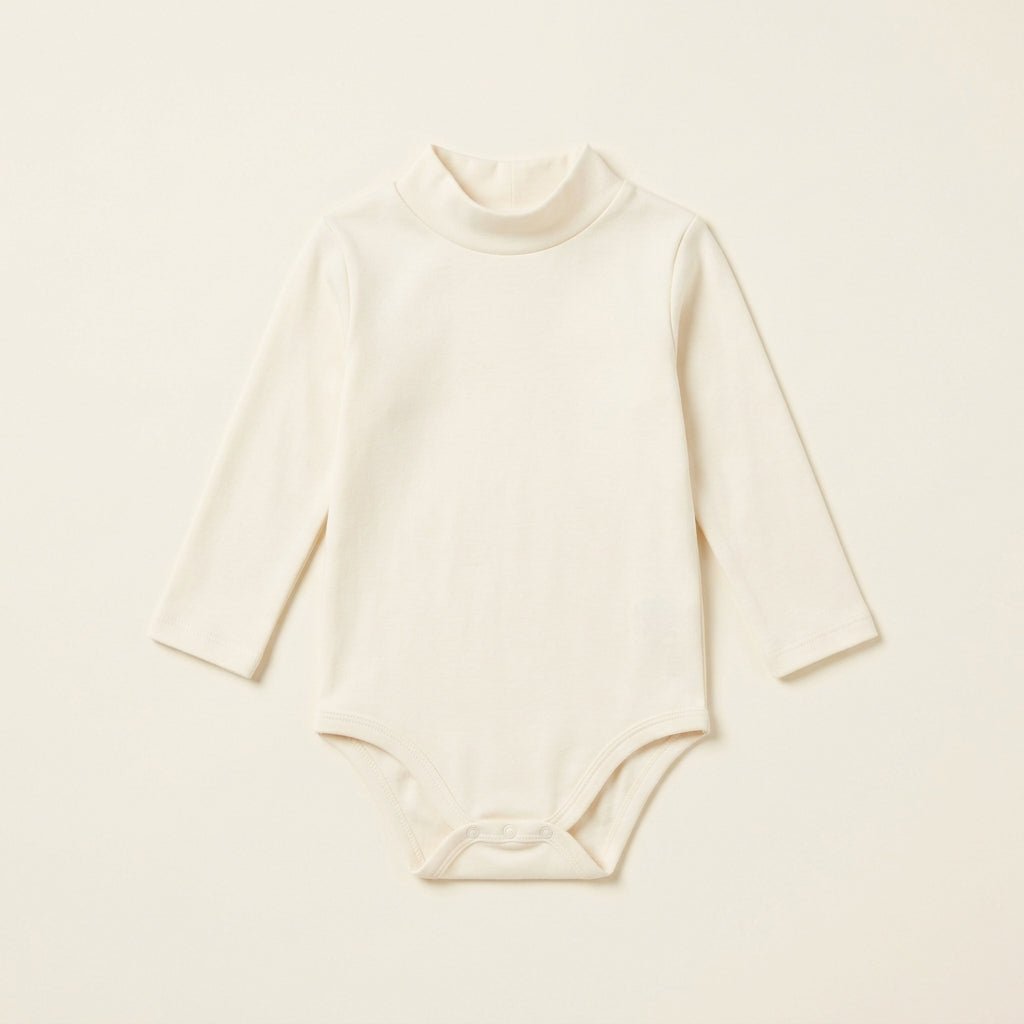
9. Long-Sleeve, High-Neck Bodysuit (the Base Layer)

Everything above works better with the right base underneath it. A long-sleeve, high-neck bodysuit in interlock or brushed cotton covers the chest and neck without adding bulk, so the mid-layer and outer layer can still move freely. This is the layer that’s on every single day of the season, under whatever else changes.

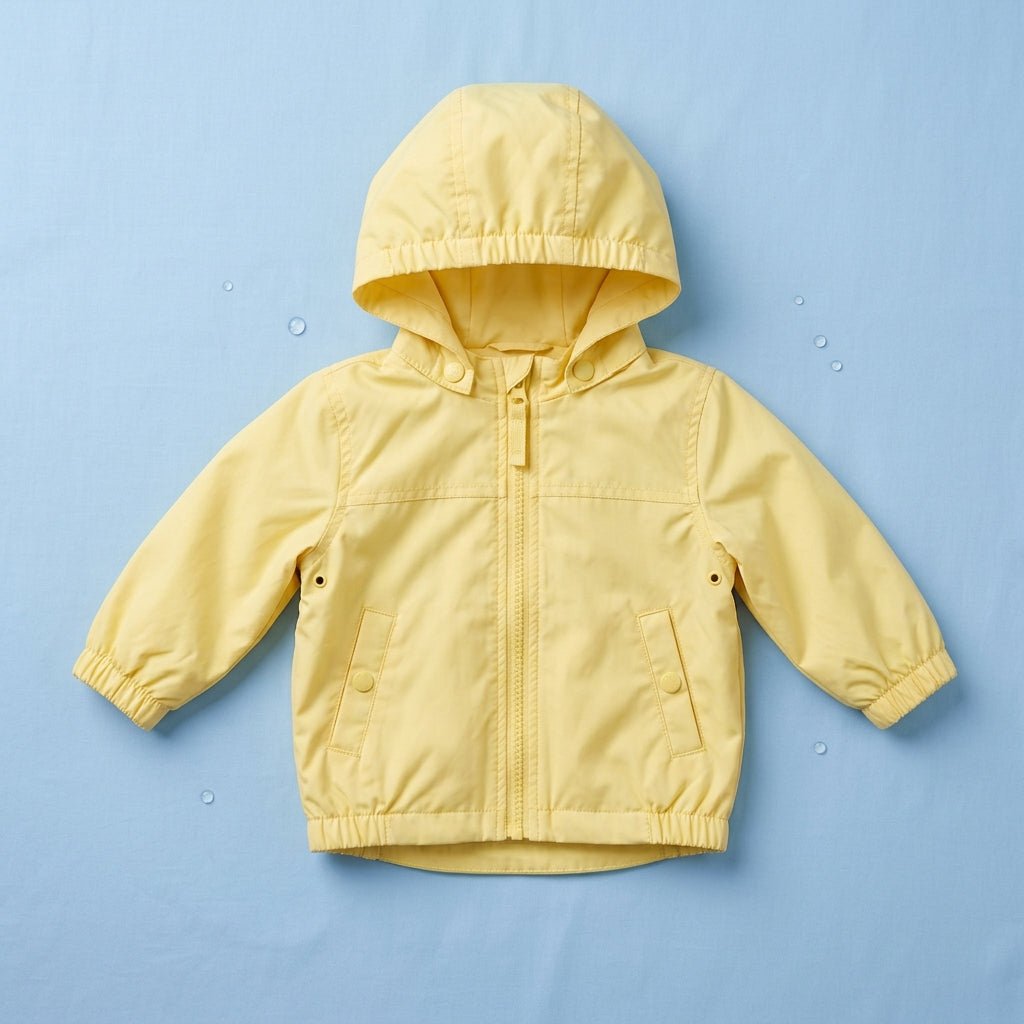
10. Light Hooded Rain-Shell or Puffer

Islamabad usually gets a handful of light rain spells through January and February, brought in by western disturbances — nothing heavy, but enough to catch a stroller outing off guard. A light, water-resistant hooded layer over the fleece pieces covers that without the overheating a heavy winter coat causes once the sun comes back out.

Building the Layer Stack

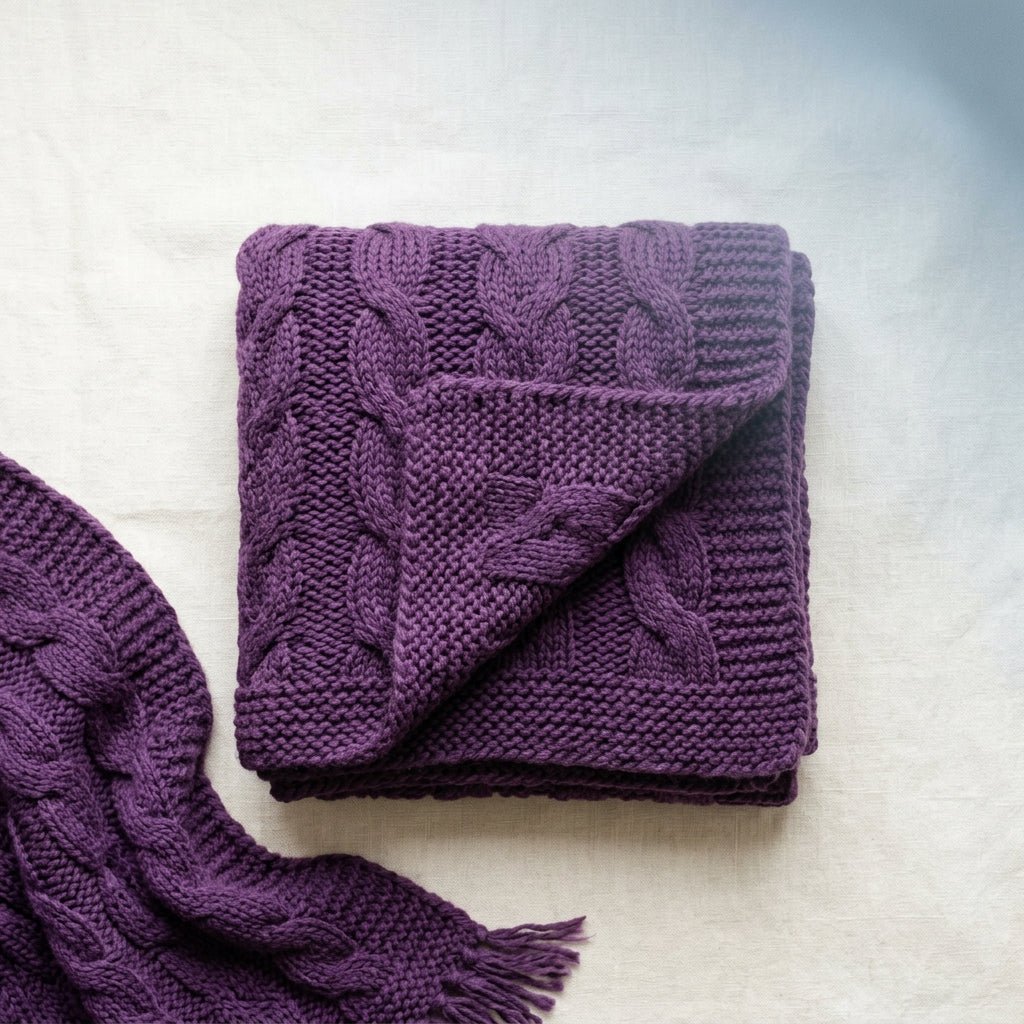
The pattern across all ten is the same: nothing here is meant to stay on all day. A base layer that doesn’t change, a mid-layer that comes and goes with the sun, and an outer layer that’s easy to add at the door and just as easy to stuff in a bag by 11am — that’s what actually works for an Islamabad winter, rather than one heavy piece built for a colder city.

Getting the pieces together: the fleece pramsuit and the fleece sweatshirt set above are both in stock now, and Miraals ships free on orders over Rs. 5,000 with 5% off on prepaid orders. You can browse the full Newborn collection or Loungewear for more of this season’s layering pieces.

Posted on — Leave a comment

Top 10 Baby Girl Frock Designs in 2026: The Ultimate Style Guide for Every Occasion

Dressing a baby girl is one of the most joyful parts of parenthood — but the best baby girl frock designs do more than look adorable. Babies are constantly rolling, crawling, and exploring, so every frock also has to move with them. That means soft, breathable fabrics, room to kick and stretch, and fasteners that make diaper changes fast, not fights.

From lazy afternoons at home to weddings, Eid celebrations, and birthday parties, every occasion calls for a different kind of outfit. Below is a complete, updated guide to the 10 best baby girl frock designs of 2026 — organized by occasion, with practical buying advice, a size guide, and answers to the questions parents ask most.

Table of Contents

  1. Everyday & Casual Frock Designs
  2. Festive & Occasion Wear Frocks
  3. Elegant Detail-Oriented Frocks
  4. How to Choose the Right Frock
  5. Baby Girl Frock Size Guide
  6. Caring for Baby Girl Frocks
  7. FAQs

Everyday & Casual Baby Girl Frock Designs 

For daily wear, comfort and durability matter more than anything else — these frocks need to survive spills, tummy time, and dozens of washes without losing their shape.

1. Classic A-Line Cotton Frock

The ultimate daily-wear staple. The A-line cut flares gently from the shoulders so there’s no restriction around the tummy or legs, and soft breathable cotton keeps baby cool in warm weather. Pair it with matching bloomers or leggings for crawling babies.

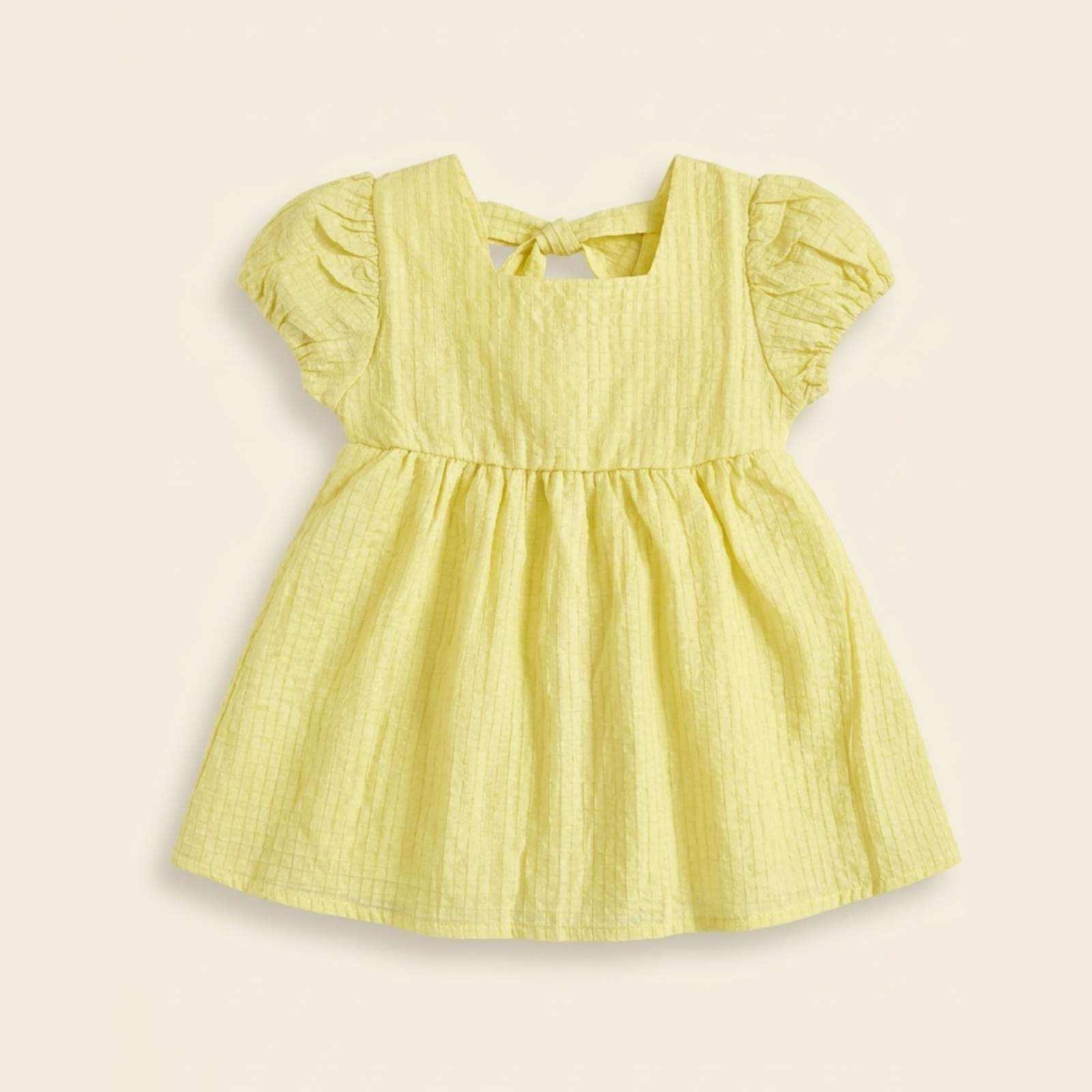
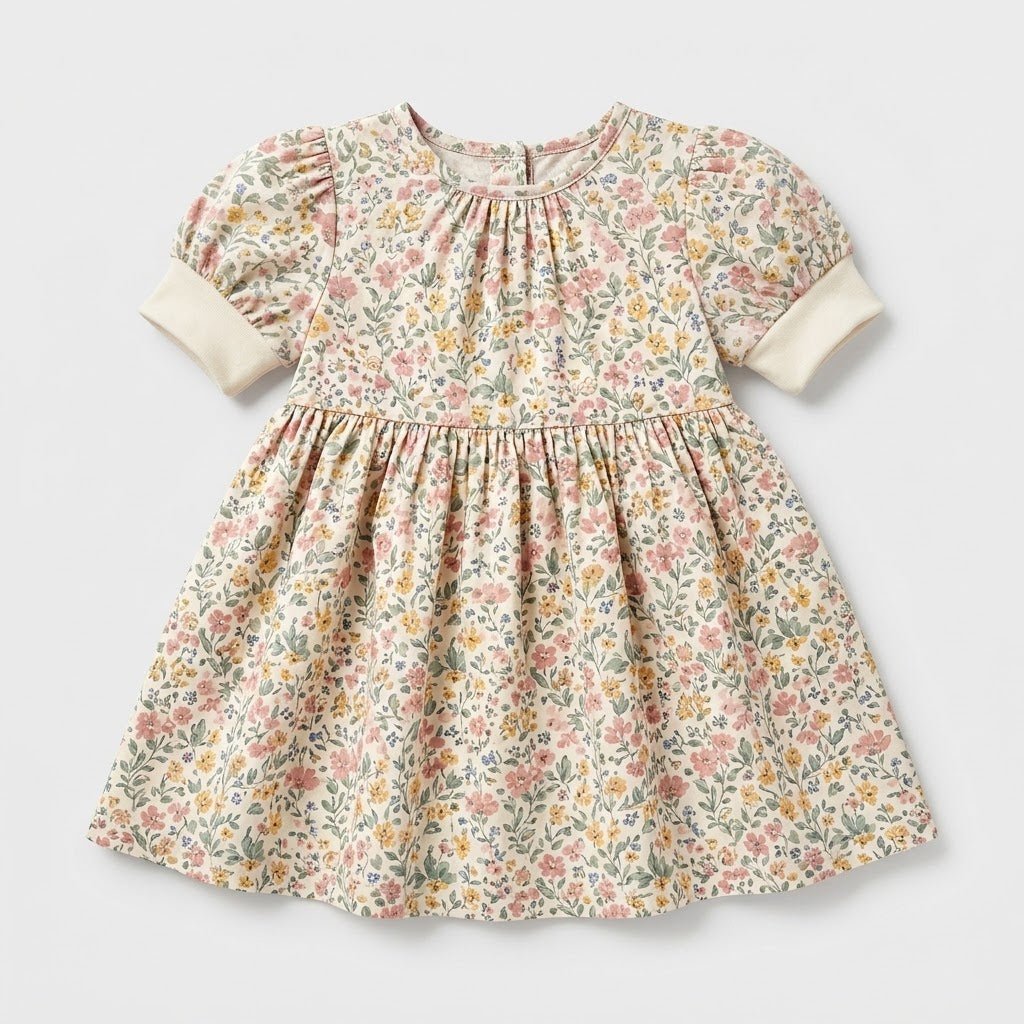
2. Puff-Sleeve Floral Frock

Short puffed sleeves paired with a pastel or garden-floral print give this design a nostalgic, summery feel. Look for softly gathered elastic in the sleeves so it never pinches — this style photographs beautifully and works well as a go-to everyday piece.

3. Peasant Tunic Frock

A relaxed, bohemian silhouette with a loose bodice and elasticized neckline and sleeves. Lightweight muslin or linen makes it easy to pull on and off, and it transitions into a fall outfit when layered over tights with a knitted cardigan.

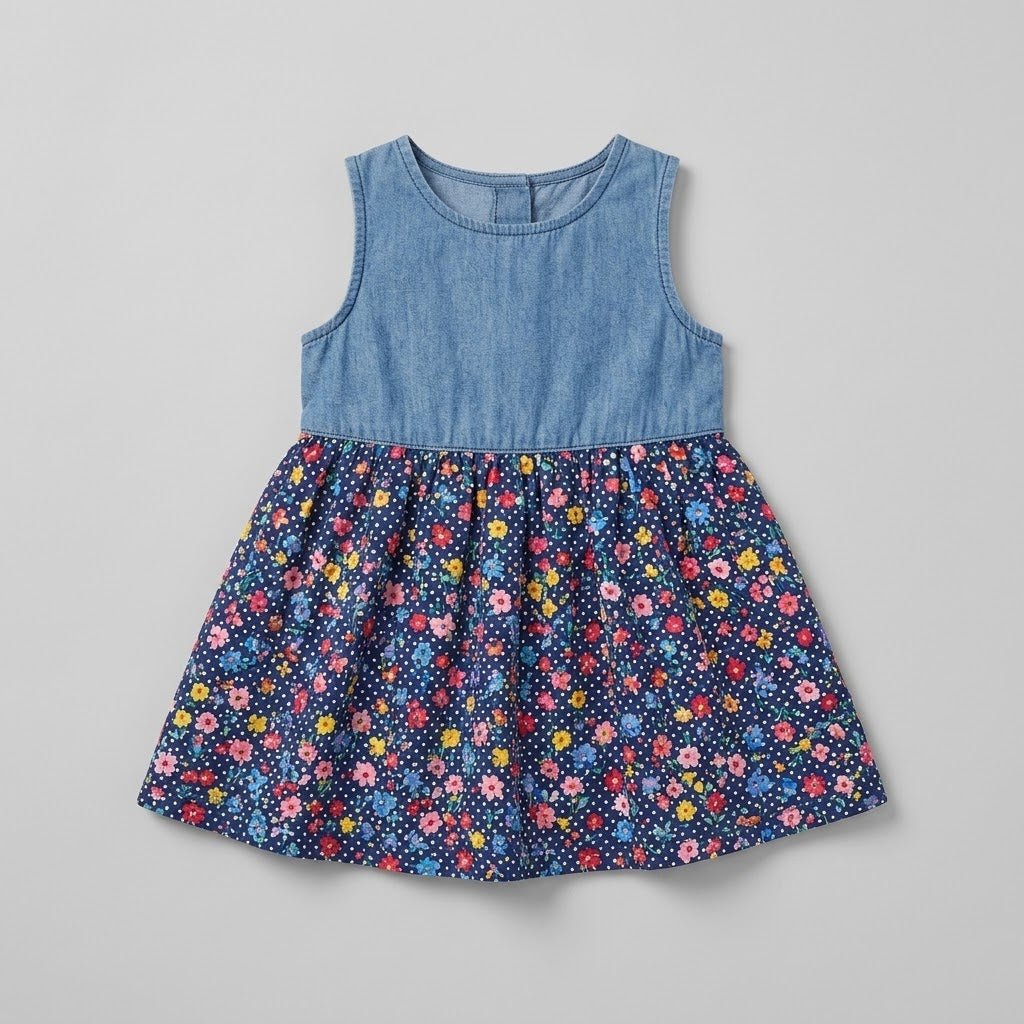
4. Denim & Cotton Mix Frock

A chambray or lightweight denim bodice attached to a printed cotton skirt gives you the best of both worlds — denim’s durability and stain resistance up top (where spills happen most) and cotton’s airy comfort below. A sturdy, modern choice for an active toddler.

Festive & Occasion Wear Frocks (Eid, Weddings & Parties) 

Weddings, Eid, and birthday parties call for a little extra volume and sparkle — without sacrificing comfort for the day.

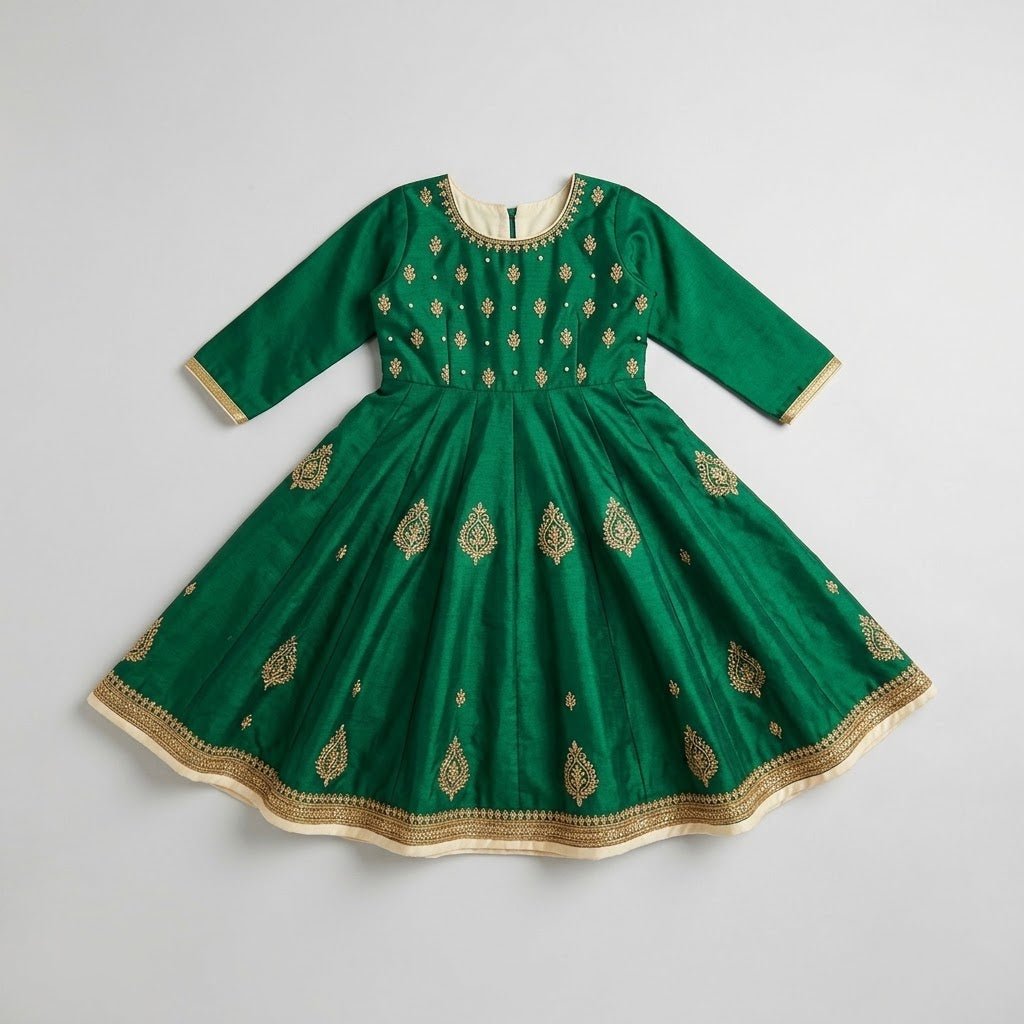
5. Anarkali-Style Flared Frock

Fitted at the bodice and dramatically flared at the hem, the Anarkali-style frock is a festive-wear essential for family gatherings and Eid celebrations. It’s perfect for toddlers who love to twirl — just make sure it has a pure cotton inner lining so embellishments never scratch delicate skin.

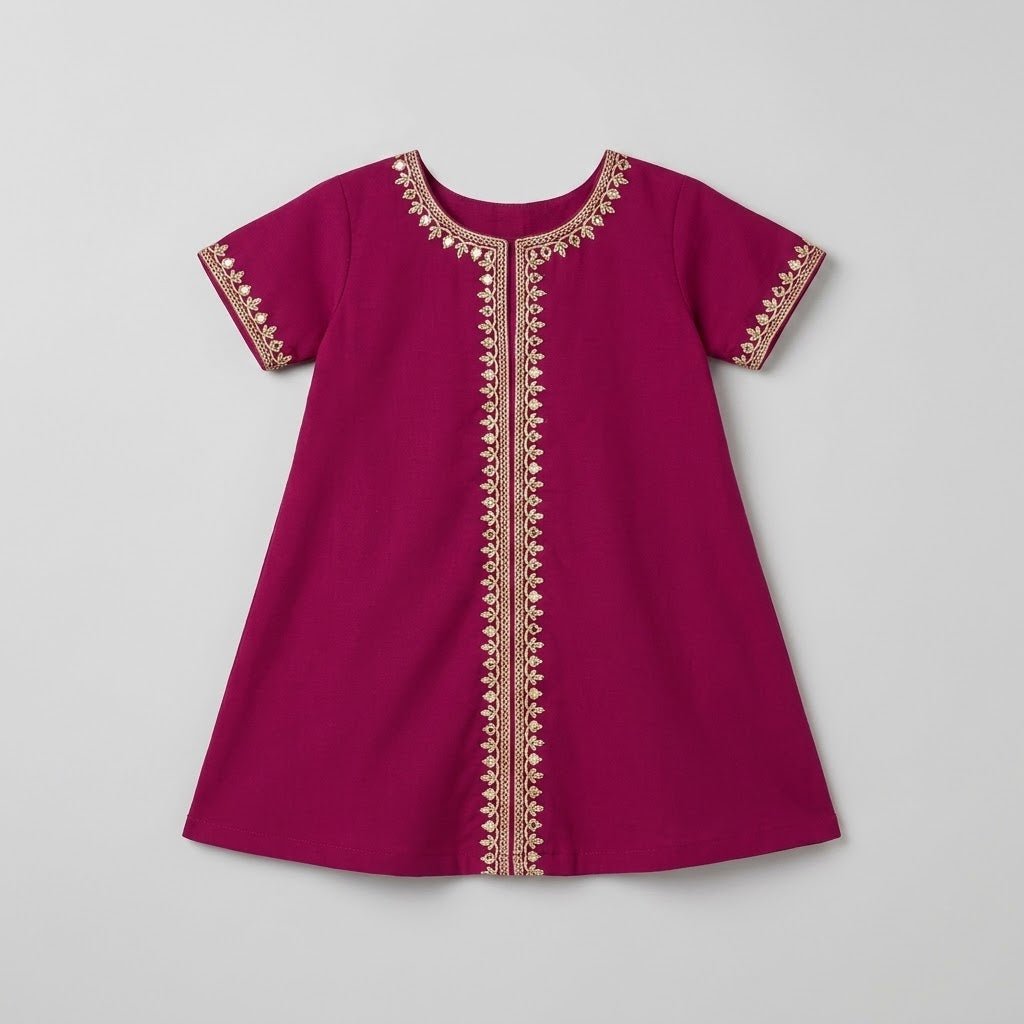
6. Traditional Embroidered Kurti Frock

An ethnic-fusion design with delicate thread work, vibrant motifs, or faux-mirror embellishments at the neckline and border. Rich colors like deep magenta, mustard, and emerald make it a lovely pick for Eid, weddings, and festive family dinners.

7. Bow-Accented Satin Party Frock

A sleek satin or silk frock finished with a statement bow at the waist or back adds instant elegance for formal events and photoshoots. Check that the zipper is covered by a fabric flap so it doesn’t irritate baby’s skin.

8. Tiered Frill Frock

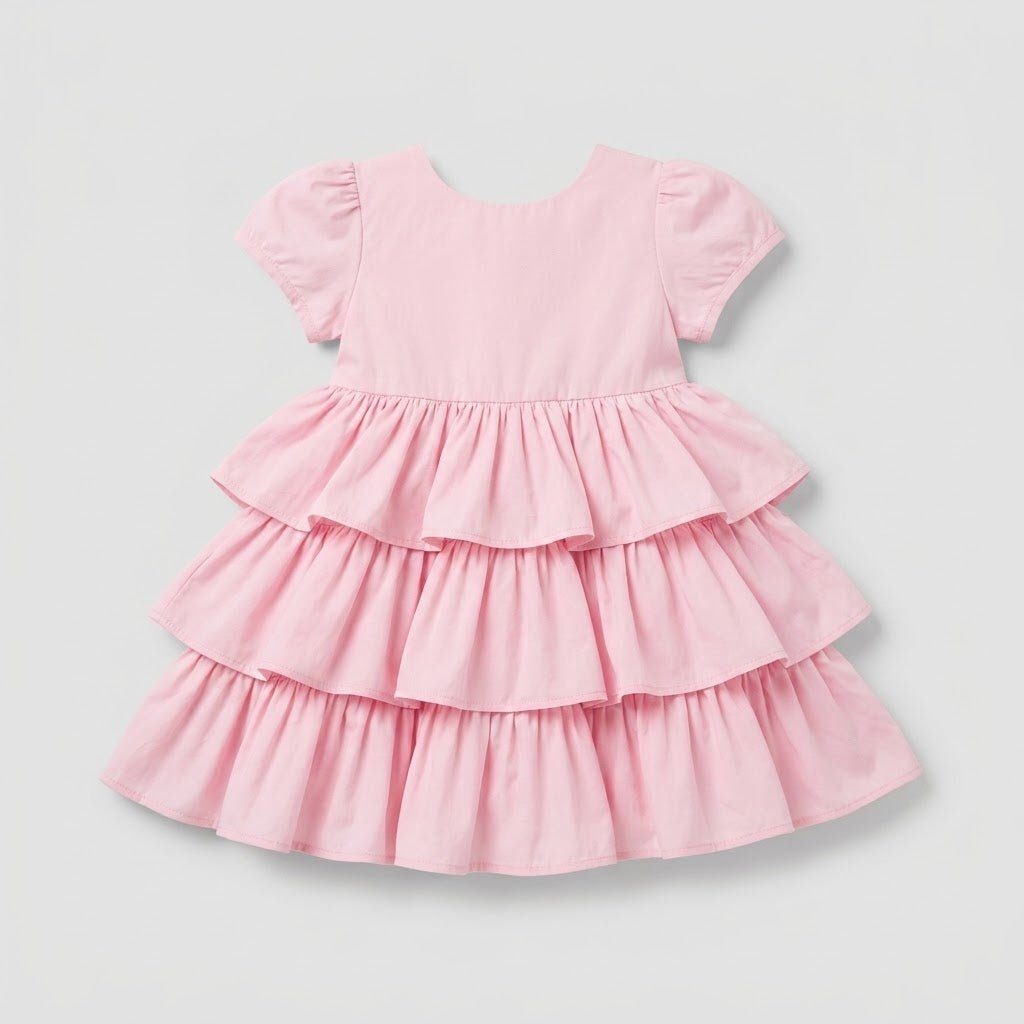
Two or three cascading ruffle layers create bouncy, playful volume. Crisp poplin cotton works for daytime parties, while soft tulle suits an evening event — either way, this design creates a picture-perfect silhouette that moves with your baby.

Elegant Detail-Oriented Frocks for Special Keepsakes 

These designs are often the ones parents keep long after baby has outgrown them.

9. Net & Butterfly Applique Frock

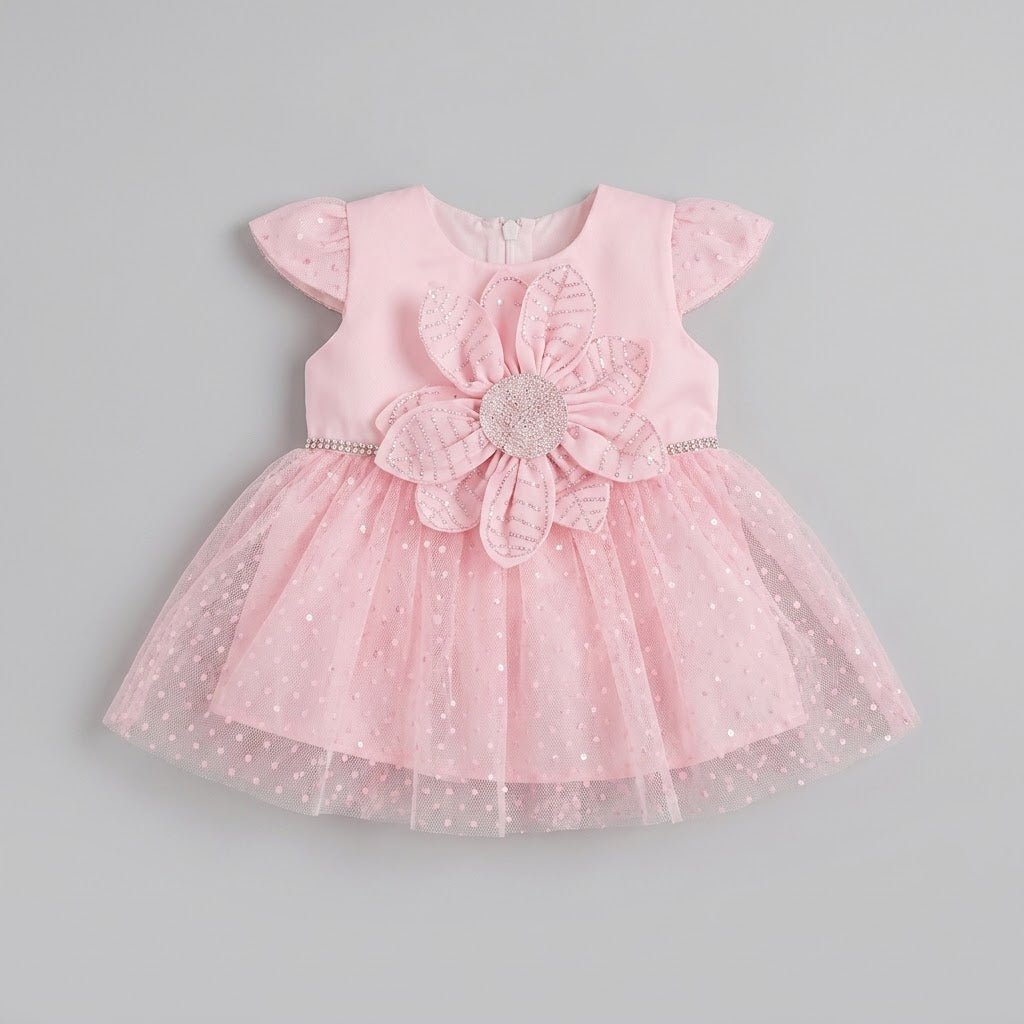
Layers of lightweight net accented with 3D butterfly or floral appliques give this design a fairy-tale look — popular for first birthdays and flower-girl duty. Always confirm the innermost layer touching baby’s skin is 100% breathable cotton.

10. Yoke Design Lace-Trimmed Frock

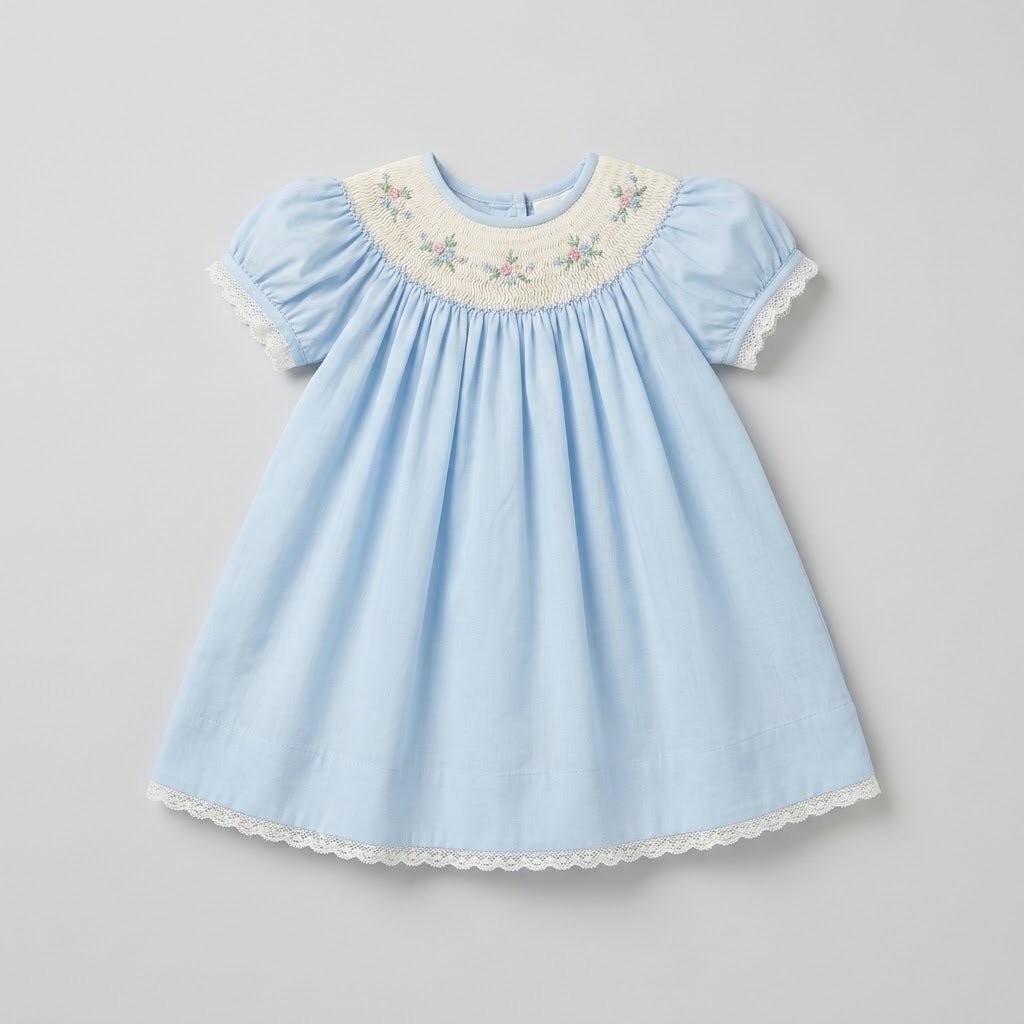
A smocked or contrasting yoke panel across the chest paired with delicate lace edging gives this frock a refined, heirloom look. The tailored yoke keeps the shoulder fit neat while the rest of the dress falls freely — ideal for portrait sessions or Sunday outings.

How to Choose the Right Baby Girl Frock 

No matter how beautiful the design, comfort and safety come first. Keep these points in mind before you buy:

  • Fabric first. Cotton is the safest everyday choice for sensitive skin — it’s breathable, hypoallergenic, and easy to wash. Save net, tulle, and satin for special occasions, and always check for a cotton inner lining.
  • Check the seams and tags. Run a finger along the inside seams before the first wear, and remove any scratchy manufacturer tags.
  • Avoid choking hazards. Skip loose buttons, beads, or small embellishments that could come off in a baby’s mouth.
  • Size up slightly. Babies grow fast — a size up gives extra wear from a favorite frock and room for cloth diapers or layering.
  • Prioritize easy changes. Snap or zip closures at the front or shoulder make diaper changes and dressing far less of a battle than back-only buttons.

Baby Girl Frock Size Guide 

Baby clothing sizes are usually based on age, but weight and height are more reliable — babies grow at different rates. Use this as a general starting point and always check the specific size chart for the piece you’re buying.

Age RangeApprox. WeightSize Label
NewbornUp to 4 kg (8 lbs)0-3M
3–6 months4–7 kg (9–15 lbs)3-6M
6–9 months7–9 kg (16–20 lbs)6-9M
9–12 months9–10.5 kg (20–23 lbs)9-12M
1–2 years10.5–12.5 kg (23–27 lbs)12-18M / 18-24M
2–3 years12.5–15 kg (27–33 lbs)2-3Y

Caring for Your Baby Girl’s Frocks :

  • Wash new frocks before the first wear to remove any residue from manufacturing.
  • Use a mild, fragrance-free baby detergent and wash similar colors together.
  • Hand wash or use a gentle cycle for net, tulle, satin, or embellished pieces to protect embroidery and appliques.
  • Air-dry delicate fabrics flat to keep their shape; tumble-dry is usually fine for everyday cotton frocks on a low setting.
  • Store off-season sizes separately so you can quickly find the right fit as your baby grows.

Frequently Asked Questions:

What is the best fabric for a baby girl’s everyday frock? Soft, breathable cotton is best for daily wear. It’s gentle on sensitive skin, easy to wash, and keeps baby comfortable in warm weather.

How do I know what size frock to buy for my baby? Match your baby’s current weight and height to a size chart rather than relying on age alone, and size up if you’re between sizes so the frock lasts longer.

Are net or tulle frocks safe for babies? Yes, as long as the innermost layer against the skin is soft cotton. Net and tulle are best reserved for short-duration occasion wear rather than all-day use.

What should a baby girl wear for Eid or a wedding? An Anarkali-style flared frock or an embroidered kurti frock are popular festive choices — look for a cotton lining under any embellished outer fabric.

How many frocks does a baby girl really need? A practical starting wardrobe is 4–5 everyday cotton frocks, 1–2 festive/party frocks, and one special-occasion piece for photos or celebrations — adjusted for how fast your baby is growing.

Shop the Look

Ready to build your little one’s wardrobe? Explore our latest https://miraals.pk/collections/dresses for everyday cotton frocks and festive party wear.